Blog
How to Determine the Natural Stone Color Palette in Architectural Projects

In architectural projects, the materials used must provide aesthetic value, functionality, and long-term durability. Natural stones are frequently preferred by architects because of their authentic textures and timeless appearance. Each stone has its own unique color tone, vein structure, and surface character.
However, when using natural stone, selecting the material alone is not enough. Creating the right color palette is equally important for the success of a design. A well-balanced palette can add harmony and character to a space, while poor color choices may weaken the overall visual integrity of the project. For this reason, natural stone colors play a crucial role in the architectural design process.
The Most Preferred Natural Stones in Architectural Projects
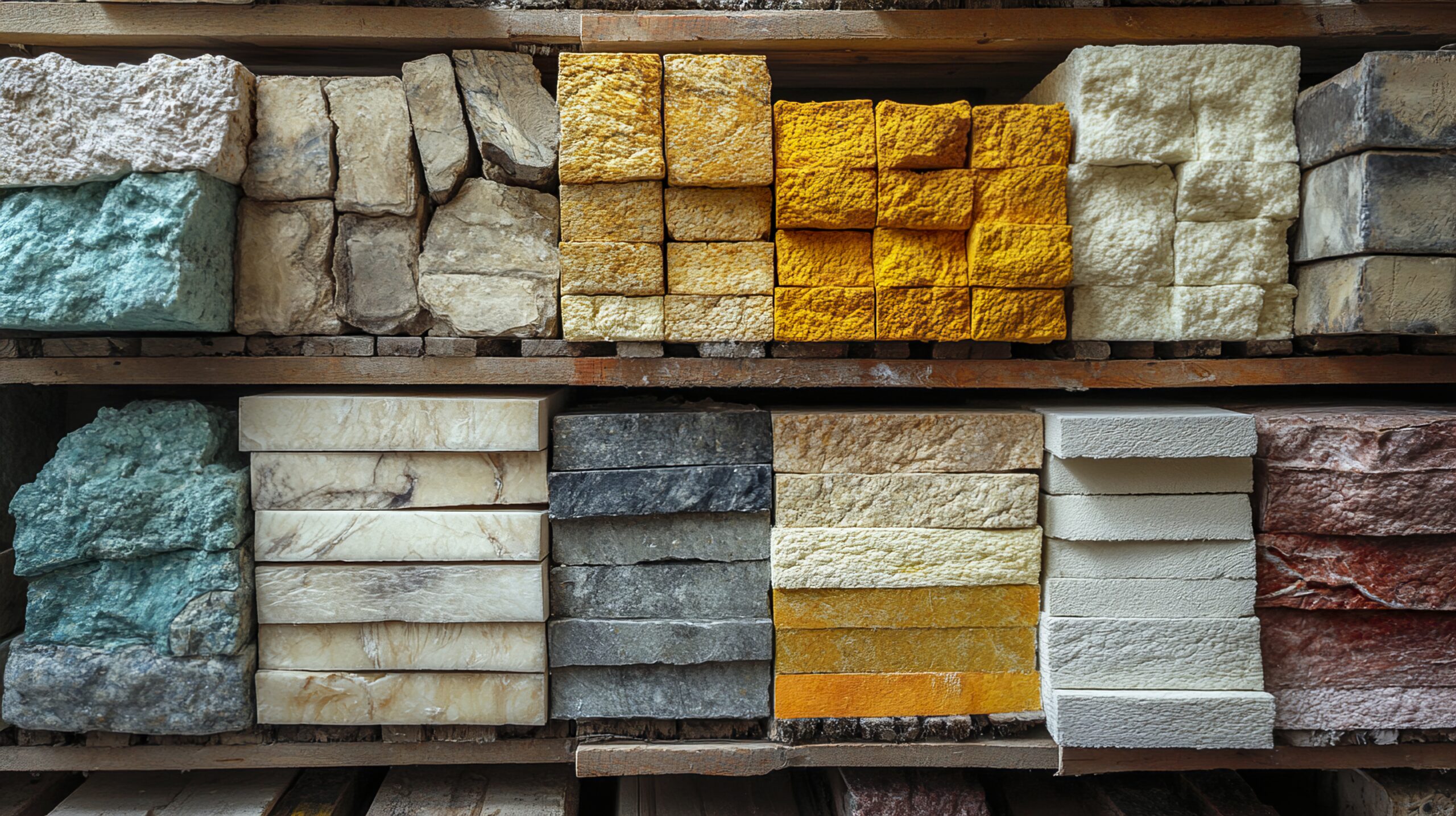
Natural stone types used in architectural projects are selected to meet both aesthetic expectations and durability requirements. Stones such as marble, travertine, granite, and limestone are commonly used because they offer various color tones and surface characteristics. Each of these stones can contribute a different atmosphere to architectural spaces.
Marble is often associated with elegance and luxury due to its distinctive vein patterns and refined appearance. Travertine, on the other hand, creates a warmer and more natural atmosphere. In particular, vein cut travertine tile options stand out with their linear vein structure, which can emphasize directional surfaces and create a refined visual effect in modern architectural projects. Granite is known for its durability, while limestone offers a softer and more minimal aesthetic.
Selecting the right stone according to the concept of the project is one of the most important steps in defining the overall architectural character.
Why Color Harmony Is Important in Architectural Design
Color harmony is one of the fundamental principles of architectural design. When the colors of materials used in a space complement each other, the overall design appears more balanced and visually appealing. Natural stones generally contain tones derived from nature, which makes them highly adaptable to different materials and design styles.
Light-toned stones often create a spacious and airy atmosphere, making them ideal for smaller interiors. Darker tones, however, can provide a stronger and more dramatic visual impact. For this reason, color selection should consider the size of the space, the intended function of the area, and the overall design atmosphere.
Balancing these tones carefully helps designers achieve a cohesive and visually pleasing architectural composition.
How Lighting Conditions Influence Color Selection
The amount of natural light entering a space directly affects how natural stone colors are perceived. In areas with strong daylight exposure, stone colors tend to appear more vibrant and visually prominent. Therefore, selecting balanced tones is important in spaces with high natural light.
In areas with limited daylight, lighter natural stone colors can help create a brighter perception of the space. Artificial lighting also influences how colors appear, which is why both natural and artificial lighting conditions should be evaluated during the material selection process.
Considering lighting conditions in advance ensures that the chosen stone colors maintain their intended visual effect once the project is completed.
Spatial Effects of Light and Dark Tones
Natural stone colors can generally be categorized into light and dark tones, each producing a different spatial effect. Light-toned stones tend to make interiors feel more open and spacious. Because of this, they are commonly used in smaller spaces to enhance the perception of size.
Dark-toned stones, on the other hand, create a stronger visual character and can add depth to larger architectural environments. Colors such as deep gray, dark brown, or black are often used to create contrast in contemporary design.
When used strategically together, light and dark tones can produce a balanced visual contrast that strengthens the overall architectural composition.
Achieving Color Harmony with Other Materials
Natural stones are rarely used alone in architectural projects. They are typically combined with materials such as wood, metal, glass, or concrete to create a more sophisticated and layered design.
For example, warm-toned stones paired with wood surfaces can create a natural and inviting atmosphere. When combined with metal elements, natural stone can contribute to a more modern and industrial design language.
Glass surfaces, on the other hand, can highlight the natural textures and patterns of stone by allowing light to interact with the material more freely. Therefore, when developing a color palette, designers must consider not only the color of the stone but also the materials that will accompany it.
Choosing Colors According to the Project Concept
Every architectural project has its own unique design language and concept. For this reason, the colors of natural stones should be selected according to the overall architectural direction of the project.
Modern architectural projects often favor neutral and minimalist color palettes such as light gray, beige, or soft cream tones. These colors contribute to a clean and contemporary visual style.
In contrast, classical or nature-inspired projects may incorporate warmer and richer tones. In such designs, the natural veining and color variations of stone can become an important decorative feature.
Ensuring that the color palette aligns with the overall design concept helps maintain architectural coherence throughout the project.
Creating Timeless Designs with Natural Stone Colors
One of the greatest advantages of natural stone is its timeless aesthetic. The natural tones found in stone remain visually appealing regardless of changing design trends. As a result, natural stone is often chosen for architectural projects that aim for long-lasting visual value.
Neutral and natural color palettes are commonly used to create timeless designs. Shades such as beige, cream, and soft gray can maintain their elegance for many years without appearing outdated.
Natural stone manufacturers and suppliers also play a key role in bringing this timeless aesthetic into architectural projects. Companies such as Cem Marble offer a wide variety of stone colors and surface characteristics, helping architects and designers select the most suitable materials for their projects.