Blog
The Impact of Natural Stone on Architectural Design in Projects

Reasons for Choosing Natural Stone in Architectural Design
Materials used in architectural design determine not only the physical characteristics of a structure but also its aesthetic identity. For this reason, architects and designers evaluate both visual and functional criteria when selecting materials for their projects. Natural stone, as one of the oldest building materials used in architecture for centuries, is among the rare options that can combine these criteria successfully.
One of the most important reasons for choosing natural stone is its durability. Stones that have formed under high pressure and long geological processes provide long-lasting performance in architectural structures. This characteristic offers a major advantage especially in exterior cladding, flooring applications, and public space projects.
Another key advantage is the unique appearance of natural stone. Since each stone is formed in nature, it has its own vein structure, color tone, and texture. This helps create a distinctive aesthetic in architectural projects that is difficult to replicate. Even when the same type of stone is used, the fact that every surface carries a different character makes the space appear more natural and sophisticated.
In addition, natural stone is considered a timeless material. Thanks to its classic appearance that never goes out of style, it can easily be used in both modern and traditional architectural designs. This allows projects to maintain their aesthetic value for many years. The frequent use of travertine from Turkey in international architectural projects is one example showing how important natural stone has become on a global scale.
The Role of Natural Stone in Creating Spatial Identity
The character of a building is directly related to the materials used. Surfaces, colors, and textures selected during the design process shape the perception users have of a space. Since natural stone is a strong and distinctive surface material, it plays an important role in determining the identity of architectural spaces.
The use of natural stone creates a powerful visual impact, especially in prestigious projects. When natural stone surfaces are used in structures such as hotels, luxury residential developments, restaurants, and corporate buildings, the perceived value of the space increases. The natural texture of stone adds warmth and depth to the environment.
At the same time, natural stone is a flexible material that can adapt to different design concepts. In minimalist architecture, it can create a strong visual impact when used on simple and large surfaces. In classical designs, it can provide a richer appearance through detailed craftsmanship and various surface textures.
Well-selected stone surfaces can completely transform the atmosphere of a space. For example, light-colored stones create a brighter and more spacious environment, while darker tones produce a more dramatic and powerful architectural effect.
How the Color and Texture Variety of Natural Stone Affects Design
One of the main reasons why natural stone has such a wide range of applications in architectural projects is its color and texture diversity. Stones formed through different geological processes in nature possess a very broad color spectrum.
Neutral tones such as beige, cream, gray, white, and black are among the most commonly preferred colors in architectural projects. These colors easily harmonize with both modern and classical designs. At the same time, they help create visual consistency with the overall design language of the space.
In addition to color variety, surface texture also has a significant impact on design. Polished surfaces reflect light, making spaces appear brighter and larger. Matte surfaces, on the other hand, create a calmer and more natural atmosphere.
Textural diversity creates visual depth in architectural projects. Using different surface finishes together produces contrast and makes the design appear more dynamic.
Use of Natural Stone in Interior Design
The use of natural stone in interior design has become increasingly popular in recent years. Natural stone surfaces are frequently preferred especially in kitchens, bathrooms, and living areas.
Kitchen countertops, island units, and backsplash surfaces are among the most common areas where natural stone is used. Thanks to its durable structure, this material is suitable for intensive use while also adding an aesthetic appeal to the kitchen.
In bathroom designs, natural stone is preferred for both flooring and wall coverings. Designers who want to create a spa-like atmosphere often take advantage of the calm and natural appearance of stone.
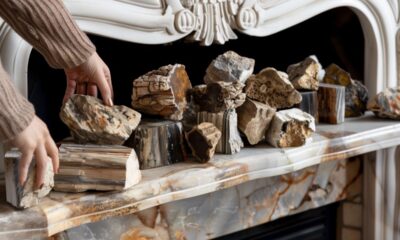
In living rooms and lounge areas, decorative wall applications stand out. Television walls, fireplace surroundings, and entrance areas can be emphasized with natural stone cladding, creating a strong focal point within the space.
The Aesthetic Contribution of Natural Stone in Exterior Facade Design
Materials used in exterior facade design are among the most important elements that define the architectural character of a building. Natural stone facade claddings provide significant advantages in terms of both aesthetics and durability.
Stone surfaces give buildings a natural and powerful appearance. Especially in large-scale projects, stone facade cladding is considered an important detail that enhances the prestige of a structure.
Another reason natural stone is preferred in exterior applications is its environmental durability. It can withstand external factors such as sunlight, rain, and temperature changes for long periods.
Additionally, natural stone facades offer advantages in terms of maintenance. When applied correctly, they can maintain their form and appearance for many years.
The Harmony of Natural Stone with Modern Architecture
Modern architecture is generally defined by clean lines, large surfaces, and minimal details. In this approach, the materials used must have a natural and strong character. Natural stone stands out as one of the most compatible materials with modern architecture.
In modern designs, natural stone is often used in large slabs. This application preserves surface continuity and provides a cleaner and more refined appearance.
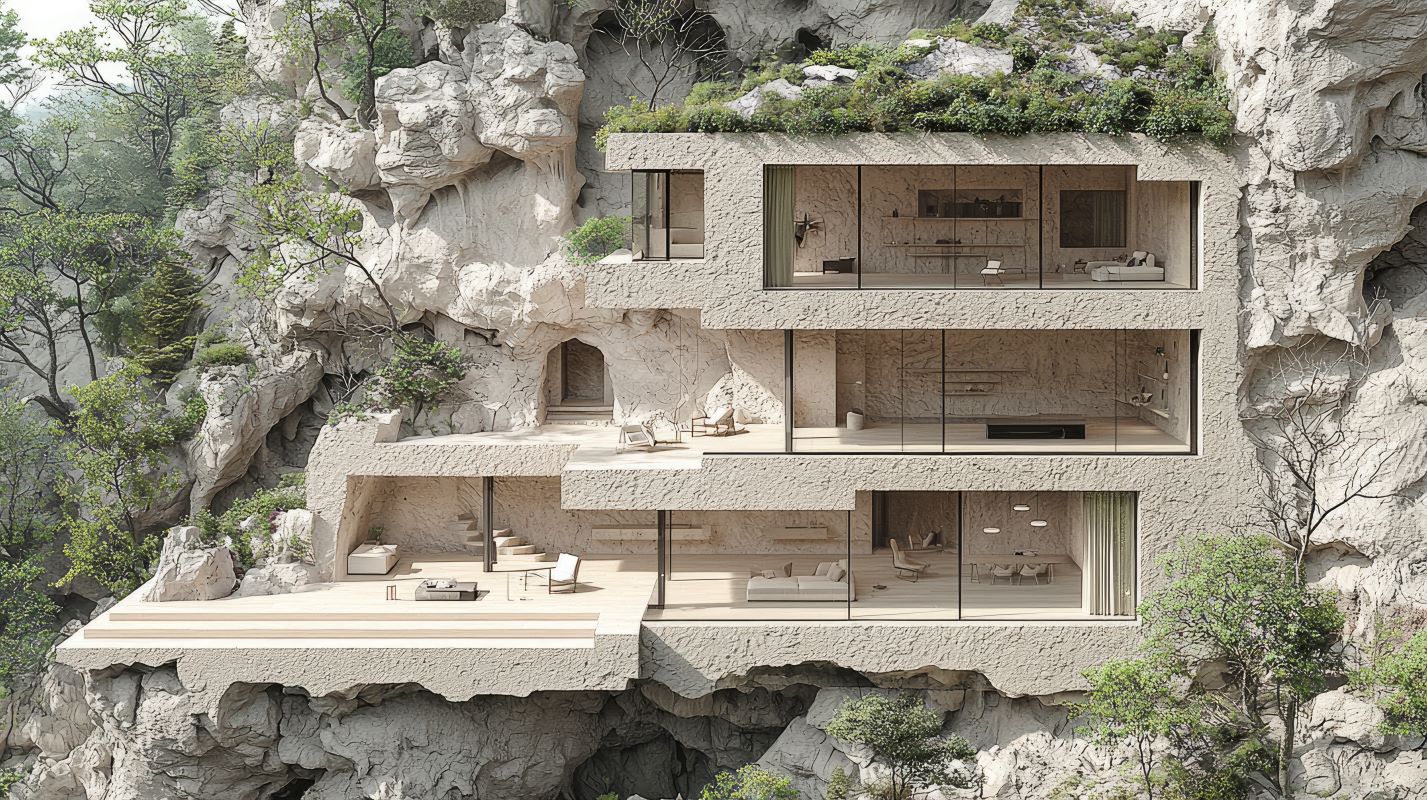
When combined with modern materials such as glass, metal, and wood, natural stone surfaces create a balanced contrast in design. This combination helps create both a warm and contemporary atmosphere in architectural projects.
The Importance of Surface and Cut Selection in Natural Stone Applications
The appearance of natural stone in architectural projects depends not only on the type of stone but also on surface treatments. The cutting method and surface finish significantly influence the overall character of the design.
Polished surfaces offer a more modern and luxurious look, while honed finishes create a softer and more natural effect. Brushed or antiqued surfaces can be ideal for rustic designs.
The direction of the cut can also change the visual effect of the stone. Different cutting techniques reveal the vein structure of the stone in various ways. This allows designers to create more unique surface compositions in architectural projects.
Choosing the Right Natural Stone for Architectural Projects
When selecting natural stone, not only aesthetic criteria but also technical properties should be evaluated. Factors such as the intended area of use, climate conditions, and density play a crucial role in choosing the right stone.
Stones used in flooring applications must have high durability. Especially in areas exposed to heavy pedestrian traffic, harder and more resistant stones should be preferred.
In exterior applications, water absorption rate and frost resistance are among the most important criteria. These properties help ensure that the stone remains durable for a long time.
The Durability and Longevity Advantage of Natural Stone
Natural stone is considered one of the longest-lasting materials in the construction industry. When applied properly, it can maintain its performance for decades.
This characteristic makes natural stone a sustainable building material. Since it has a long lifespan, it does not require frequent renovation, which reduces resource consumption.
Sustainable Architecture and the Use of Natural Stone
The concept of sustainable architecture is becoming increasingly important today. The use of environmentally friendly materials has become a key design criterion in the construction sector.
Natural stone offers important advantages in terms of sustainability because it is obtained directly from nature. Its long lifespan, recyclability, and low maintenance requirements are among these advantages.
The Value Contribution of Natural Stone in Projects
The materials used in architectural projects also affect the economic value of a structure. The use of natural stone is one of the factors that increases the perceived value of a project.
Especially in luxury residential developments, natural stone surfaces are considered a symbol of quality. Stone cladding contributes significantly to both the aesthetic appeal and prestige of a project.
In conclusion, natural stone is an important material that strengthens both the aesthetic and functional aspects of architectural design. With its color, texture, and durability, it can adapt to different design approaches and help projects maintain their value for many years.