Blog
How Are Natural Stone Samples Evaluated Before a Large Order?

A natural stone sample is often the first physical impression of a material. It lets a designer examine its colour, texture and finish more closely than a photograph allows. For a large order, however, a single attractive piece cannot show everything the finished project may contain. Whether a project specifies travertine from Turkey, marble, limestone or another natural stone, variation can occur from one slab to another, sometimes within the same slab. Evaluating samples therefore means understanding both the stone’s character and the range of variation that can reasonably be expected.
Why Is One Small Sample Rarely Enough?
A small sample can confirm a general colour and provide a first impression of the surface. It may show a prominent vein, a quiet section of background or a particular texture, but it cannot reliably represent an entire batch. A large floor or wall brings many pieces together, making differences in tone and pattern more visible.
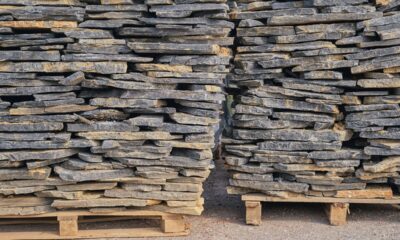
This is why sample evaluation begins with a question: What decision is this sample meant to support? A hand sample may be enough to narrow a shortlist. Before approving material for a substantial area, the project team may need several pieces showing lighter and darker tones, different vein densities and other characteristic features. These range samples help define acceptable variation instead of treating one piece as a promise that every slab will look identical. The Natural Stone Institute includes range samples and mock-ups among the tools used in communication between suppliers and buyers.
How Are Colour, Veining and Texture Assessed?
Samples should first be examined together, under lighting that resembles the project setting. Daylight and interior lighting can create different impressions of the same stone. Placing pieces beside intended wall colours, joinery or other finishes also makes it easier to judge whether their tones work together.
Reviewers then look beyond the dominant colour. They consider the background shade, contrast, direction and frequency of veining, as well as clouds, fossils, pores or mineral markings where these are characteristic of the stone. The aim is to distinguish natural features from appearances the project team would find unsuitable. A written description is useful here: terms such as “warm cream background with moderate variation” communicate more clearly than “match approved sample” when the approved piece shows only a small part of the material’s range.
Scale matters as well. Fine details that attract attention in a hand sample may recede across a full wall, while broad changes in colour may become more noticeable. Viewing larger pieces or slab images can help the team judge the overall visual rhythm.
What Should Be Checked About the Surface Finish?
The finish changes how a stone reflects light and how its natural features appear. A polished surface may make colour and veining look stronger; a honed or textured surface can create a softer visual effect. Samples should therefore have the specified finish, rather than merely come from the intended stone type.
Reviewers can examine the finish from more than one angle and, when practical, in both dry and wet conditions relevant to the proposed use. They should also look at edges if the design will leave them exposed. A sample with a finished face but an unfinished edge may give an incomplete impression of a stair tread, countertop or wall detail.
Consistency deserves attention. The question is not whether natural stone looks manufactured; it is whether the finishing work produces the intended appearance across the supplied pieces. Establishing this expectation before a large order makes later visual reviews more meaningful.
How Does the Intended Application Affect Evaluation?
A stone that looks appropriate for a decorative interior wall is not automatically suited to an exterior paving area or a heavily used floor. The application determines which performance information needs review. Depending on the project, relevant considerations may include water absorption, strength, abrasion resistance, slip resistance, exposure conditions and maintenance requirements.
Physical performance should be assessed through suitable product information and testing, rather than inferred from appearance alone. Test results also need to be relevant to the stone being supplied and the way it will be used. ASTM’s guide to dimension stone specimen sampling and preparation addresses the importance of how specimens are selected and prepared for testing; a visual sample and a test specimen serve different purposes.
The installation design matters too. Joint width, fixing method, substrate and drainage can affect the finished result. Sample approval is most useful when the reviewer understands these project conditions, rather than judging the stone as an isolated object.
When Are Slab Reviews and Mock-Ups Useful?
For projects with large, highly visible surfaces, a review of full slabs can reveal features that hand samples cannot. It shows the scale and direction of veining, the distribution of colour and the options available for placing adjoining pieces. If a design depends on a particular sequence or visual relationship, the team may need to review how slabs will be arranged before cutting begins.
A mock-up takes the assessment further by showing the stone as part of a small section of the proposed work. It can bring together the chosen finish, piece size, joints, edge details and adjacent materials. This is especially useful where those details strongly affect the final appearance. The Natural Stone Institute’s stone-selection resources discuss samples and mock-ups alongside aesthetic and performance considerations.
Neither step eliminates natural variation. Their value lies in making expectations visible and giving the project team a shared reference for later decisions.
How Should Approval Be Recorded Before Ordering?
Once the visual and technical review is complete, the accepted material should be described clearly. Useful records include the stone identification, finish, dimensions, intended application and an agreed set of range samples. Notes can identify features considered typical of the material and any limits that are important to the design. Photographs help document the discussion, but retained physical samples remain valuable because camera settings and screens can alter colour.
The team should also confirm how the material reviewed relates to the material available for the order. If the chosen slabs or batch change, another review may be appropriate. Recording who approved the samples and when gives everyone involved in supply, fabrication and installation a consistent point of reference.
What Does a Careful Sample Review Achieve?
A careful review turns a sample from a simple colour choice into an informed project decision. It considers natural variation, finish, scale and intended use, then records what has been accepted. Cem Marble supports this process by helping project teams understand the characteristics of natural stone and evaluate samples in the context of their project requirements. With its natural stone experience and focus on product quality, Cem Marble helps teams make informed material choices while appreciating each stone’s natural character.
For a large order, the strongest approach is to approve a representative range of appearance and confirm that the selected material suits the application. That creates a practical basis for evaluating the finished work while allowing natural stone to remain natural.