Blog
How Much Is Travertine Tile? Complete Price Guide for 2026

Travertine is one of the most preferred natural stones in architecture thanks to its timeless appearance and durability. Frequently used in both interior and exterior designs, travertine tiles add a sophisticated and natural character to spaces. For many architects, designers, and project developers, understanding how much is travertine tile is an important part of comparing materials and planning project budgets without compromising on quality or aesthetics.
Travertine tile prices can vary significantly depending on several factors such as stone quality, cutting style, surface finish, tile size, and the country of origin. In this comprehensive guide, we will examine the main factors that influence travertine tile prices, explain average market price ranges, and discuss important considerations when choosing the right travertine tile for a project.
What Is Travertine Tile?
Travertine is a natural stone composed mainly of calcium carbonate and typically forms around mineral springs and limestone caves. Its porous structure and distinctive veining patterns give travertine a unique natural character that makes it highly attractive in architectural design.
Travertine tiles are produced by cutting large travertine blocks into specific sizes and applying different surface treatments. These tiles are commonly used in flooring, wall cladding, bathrooms, kitchens, outdoor terraces, and façade applications.
One of the key advantages of travertine is its natural variation. Each tile has its own pattern, texture, and color tone, creating installations that are both unique and authentic. This lasting aesthetic appeal is one of the reasons why how much is travertine tile remains a common consideration for architects and designers selecting materials for premium projects.
Average Price of Travertine Tile
Travertine tile prices vary worldwide depending on quality level and finishing processes. In general, the price per square meter or square foot can fall within a broad range.
Average market price ranges are typically as follows:
- Economy grade travertine: approximately $15 – $30 per square meter
- Mid‑range travertine: approximately $30 – $60 per square meter
- Premium travertine: approximately $60 – $120 per square meter
These price ranges generally represent only the material cost. Shipping, installation, labor, adhesives, and additional materials can increase the total project cost. Therefore, when evaluating travertine tile prices, it is important to consider the overall installation cost rather than only the product price.
Factors That Affect Travertine Tile Prices
Travertine tile pricing is not fixed, as several factors influence the final cost of the material. Understanding these variables provides a clearer perspective on how much is travertine tile and helps buyers make informed decisions when selecting the right stone for their projects.
Travertine Quality and Grading
Travertine stones are usually classified into quality grades. Premium grade travertine tends to have more consistent colors and fewer visible voids, which means less filling and processing are required.
Lower‑grade travertine may contain more visible pores and irregularities that require additional filling or processing. As quality increases, the price of travertine tiles also increases.
Cutting Style of the Stone
Travertine blocks can be cut using different techniques. The two most common cutting styles are:
- Vein cut
- Cross cut
Vein cut travertine displays long linear veins that run parallel across the tile surface. Cross cut travertine creates a more cloudy and natural pattern. The cutting sty
le influences both the visual appearance and the production cost of the tile.
Surface Finish
Travertine tiles can be processed with different surface finishes that affect both aesthetics and functionality.
Common travertine fi
nishes include:
- Honed travertine
- Polished travertine
- Tumbled travertine
- Brushed travertine
Polished surfaces provide a glossy and luxurious appearance, while honed finishes offer a softer, matte look that is popular in contemporary interiors.
Tile Thickness and Dimensions
The thickness and size of travertine tiles also impact pricing. Larger format tiles often cost more because they require more precise cutting and higher quality stone blocks during production, making them an important factor when evaluating how much is travertine tile for a project.
Price Differences Between Travertine Tile Types
Travertine tiles are available in several surface types. Because each finish involves a different manufacturing process, their prices may vary.
Honed Travertine Tile
Honed travertine has a smooth, matte surface without high gloss. It highlights the natural beauty of the stone and is widely used in modern interior spaces.
Tumbled Travertine Tile
Tumbled travertine has a rustic appearance with slightly rounded edges and a textured surface. This finish is commonly used in outdoor spaces, patios, and landscaping projects.
Polished Travertine Tile
Polished travertine has a shiny, reflective surface. It is often used in luxury interiors where a refined and elegant aesthetic is desired.
Does Travertine Tile Size Affect the Price?
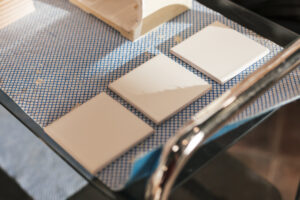
Tile dimensions can significantly influence the overall cost. Standard sizes are usually more affordable because they are easier to produce and widely available, which is why they often affect how much is travertine tile in large residential and commercial projects.
Common travertine tile sizes include:
- 12×12 inches
- 12×24 inches
- 24×24 inches
- French pattern sets
Large format slabs are often used in high‑end projects and may cost more due to the precision required during cutting and installation.
Travertine Tile Installation Cost
When calculating the cost of travertine tiles, it is important to consider installation expenses as well. Material cost alone does not reflect the full project budget.
Installation costs can include:
- Labor and installation services
- Adhesives and grout materials
- Surface preparation
- Cutting and fitting processes
Professional installation ensures that travertine flooring remains durable and visually appealing for many years.
Travertine Tile vs Ceramic Tile
Many property owners compare travertine tiles with ceramic or porcelain tiles when selecting flooring materials, especially when considering how much is travertine tile alongside its long-term durability, natural beauty, and overall value.
Ceramic tiles are generally less expensive, but they cannot replicate the natural character and texture of real stone. Travertine offers a more authentic and elegant aesthetic that enhances the overall design of a space.
When installed correctly, travertine surfaces can also be extremely long‑lasting and durable.
What to Consider When Buying Travertine Tile
There are several important aspects to evaluate when purchasing travertine tiles. First, the color consistency and veining pattern should be examined. Natural stone variations are normal, but a balanced distribution of tones is important for achieving a cohesive look in large installations. When buyers research how much is travertine tile, they should also consider the stone’s pore structure and filling quality. High-quality travertine tiles typically have more controlled filling and a smoother surface appearance. Another critical factor is choosing a reliable supplier that follows strict production and quality control standards.
Why Choosing the Right Travertine Supplier Matters
Selecting the right manufacturer or supplier is extremely important when purchasing natural stone. Experienced producers carefully manage every stage of the production process, from block selection to cutting and finishing, helping buyers better understand how much is travertine tile in relation to quality, consistency, and long-term value.
This attention to detail ensures that the final products meet both aesthetic and structural expectations for architectural projects.
Companies such as Cem Marble specialize in producing high‑quality natural stone products for projects worldwide. With advanced production technologies and extensive expertise in natural stone, they provide travertine solutions that combine durability, consistency, and refined design.
Ultimately, although travertine tile prices can vary depending on several factors, understanding how much is travertine tile involves looking beyond the initial purchase price. Choosing the right material and working with professional suppliers can turn travertine installations into long-term investments that maintain their beauty and value for many years.
At Cem Marble, we combine premium Turkish natural stone with advanced manufacturing, strict quality control, and extensive export experience to deliver reliable solutions for projects of every scale. Whether you require standard tiles or custom production, our team is committed to providing consistent quality, competitive pricing, and professional support from quotation to worldwide delivery.