Blog
The Concept of Surface Texture in Natural Stone Architecture

Natural stone is not merely a cladding material in architectural projects; it is also a powerful design element that defines the character of a space. Beyond the color, veining, and mineral composition of the stone, surface texture directly influences spatial perception. For this reason, in contemporary architecture, the process of selecting natural stone is considered not only an aesthetic preference but a strategic design decision. Especially in large-scale projects, surface texture plays a critical role in terms of its interaction with light, its ability to create shadow depth, and the volumetric effect it adds to a space.
For architects and project developers, surface texture serves as a tool that enhances the expressive power of design. While flat and smooth surfaces offer a more modern and minimal expression, textured surfaces introduce movement and dynamism into a space. In this context, accurately analyzing surface texture in natural stone architecture is a decisive factor in shaping the overall identity of a project.
What Is Surface Texture and Why Is It Important in Architectural Design?
Surface texture refers to the physical structure that is both seen and felt on the outer layer of a material. In natural stone, this texture is shaped by the cutting method, processing technique, and surface treatment applied. From a design perspective, surface texture provides not only a visual but also a tactile experience.
The importance of surface texture in architectural design can be summarized under three main headings:
- Perceptual Depth: Textured surfaces provide greater light refraction compared to flat surfaces. This increases the perception of volume within a space.
- Identity Formation: Textured stones used in façade design give the structure a strong architectural character.
- Material Legibility: The mineral composition and natural character of natural stone become more pronounced on textured surfaces.
For this reason, surface texture is not merely an aesthetic choice; it is an integral part of the design language.
Factors Influencing Texture Formation in Natural Stone
The formation of surface texture in natural stone depends on multiple technical variables. The most significant among them are:
- The mineral density of the stone
- The cutting direction
- The applied surface processing technique
- The intended area of use
For example, there are clear differences between the surface effect created after cutting dense and hard stones and the texture formed in softer stone types. Additionally, whether the stone is cut parallel or perpendicular to its veining direction directly influences the surface character.
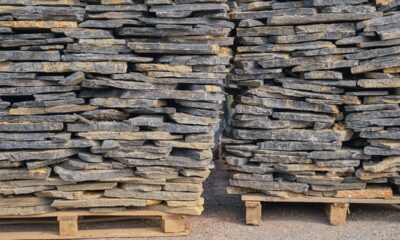
In some projects, specific surface techniques such as marble split face may be preferred to enhance depth and shadow effects. However, such applications are generally evaluated as part of a broader texture strategy.
The Role of Surface in the Relationship Between Light and Shadow
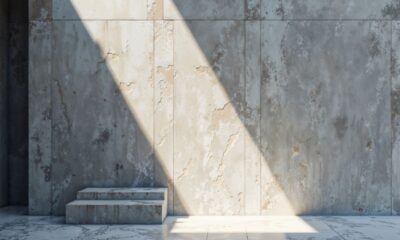
Natural stone surfaces interact with light to create a dynamic atmosphere within a space. The movement of sunlight throughout the day generates a constantly shifting shadow composition on textured surfaces. This effect is particularly significant in exterior façade applications, allowing the structure to be perceived differently at various times of the day.
While light reflection occurs more homogeneously on smooth surfaces, textured surfaces refract light and create micro-shadows. These micro-shadows highlight the natural character of the stone. When this effect is consciously utilized in façade design, the building establishes a stronger relationship with its surrounding environment.
Textural Impact in Exterior Façade Applications
In exterior façade design, surface texture represents far more than aesthetics. The façade is the first point of contact between the building and the outside world. Therefore, the surface character of the selected stone directly influences how the structure is perceived.
Textured surfaces are particularly preferred in large and expansive façades to break monotony. Moreover, the shadow play created by the surface adds volumetric depth to the building. Surface techniques used in such applications should be considered an extension of the architectural language.
In certain projects, surface treatments similar to marble split face may be chosen to create a more dramatic façade effect. However, what matters most is ensuring that the surface remains aligned with the overall design strategy.
Surface Selection Strategies in Commercial Projects
In commercial projects, natural stone selection is not driven solely by aesthetic concerns. Criteria such as durability, ease of maintenance, and long-term performance are also evaluated. At this point, surface texture stands out as a balancing factor in terms of both visual and technical performance.
In high-traffic areas such as shopping centers, hotels, and corporate buildings, the surface’s resistance to wear is essential. Additionally, in exterior applications, the surface’s durability against climatic conditions must be considered.
Textured surfaces may, in some cases, offer maintenance advantages by making dirt and dust less visible. However, the project scale and intensity of use must always be thoroughly analyzed.
Establishing Balance Between Aesthetics and Technical Performance
One of the most critical decisions in architectural projects is establishing a balance between aesthetic expectations and technical requirements. Surface texture is one of the key parameters that enable this balance.
Highly rough surfaces can create a dramatic effect but may require additional planning in terms of cleaning and maintenance. On the other hand, completely smooth surfaces provide a minimal appearance but may not deliver sufficient visual depth in certain projects.
Therefore, surface selection should be made by evaluating the overall design concept, geographic location, and intended use together.
Surface Selection in Terms of Long-Term Durability
Sustainability and long-term use have become increasingly important in natural stone projects. Surface texture can indirectly influence the stone’s water absorption rate, freeze-thaw resistance, and performance against environmental factors.
Particularly in outdoor applications, climate conditions must be taken into account when selecting the surface. In humid and high-precipitation regions, surface character can directly affect the long-term performance of the stone.
In addition, how the surface will age over time is an important design criterion. The patina formation process of natural stone may vary depending on the surface texture.
The Contribution of Texture in Shaping Architectural Identity
The architectural identity of a structure is shaped by the harmony of the materials used. As a historical and timeless material, natural stone plays a powerful role in forming this identity. Surface texture, in turn, is the detail that adds character to this identity.
Textured surfaces create a strong and natural expression, especially in contemporary projects. Even in minimal designs, surface texture can add depth to the space.
A well-defined surface strategy strengthens a project not only aesthetically but also perceptually and experientially.
Surface Texture as a Design Strategy
In natural stone architecture, surface texture is not merely a technical treatment; it is one of the fundamental building blocks of design. Through its interaction with light, its capacity to create shadow, and its contribution to spatial perception, surface selection directly influences the success of a project.
In large-scale and international projects, planning surface texture requires alignment between the production process and the design vision. At this stage, working with experienced natural stone manufacturers capable of ensuring quality consistency is essential.
Accurately analyzing the architectural potential of natural stone and determining the most suitable surface strategy for a project requires expertise. Cem Marble, with its project-based production approach and quality-focused process management, offers sustainable and strong solutions in natural stone architecture.
If you aim to position surface texture not merely as a detail but as a fundamental element of design in your projects, advancing with the right production infrastructure and technical know-how will ensure long-term success.