Blog
The Importance of Long-Term Thinking in Building Material Selection

Decisions made in construction projects do not only shape how a project looks today, but also directly influence how it performs over time. One of the most critical of these decisions is material selection. While cost, speed, and availability often take priority, material choices made without long-term thinking can lead to serious issues and additional costs in the future. For this reason, selecting building materials should involve evaluating not only the initial phase but also all possible scenarios throughout the lifecycle of the structure.
Why Is Material Selection a Critical Decision in Construction Projects?
The durability, aesthetics, and overall user experience of a building largely depend on the materials used. The right material enhances both technical performance and visual appeal, while poor choices can quickly result in deformation, maintenance needs, and loss of value. In this context, material selection is not merely a technical decision but a strategic planning process.
For architects and investors, the key objective is ensuring that a structure maintains its original quality for many years. This can only be achieved through proper material selection. Factors such as geographical location, intended use, user density, and environmental conditions directly influence which materials are suitable for a project.
The Difference Between Short-Term Cost and Long-Term Value
One of the most common mistakes in construction projects is focusing solely on initial costs. Lower-cost materials may seem advantageous at first, but over time, maintenance, repair, and replacement expenses often eliminate that advantage.
This is where the concept of long-term value becomes essential. Durable, high-quality materials maintain their performance over the years and help reduce total lifecycle costs. Therefore, when evaluating costs, it is crucial to consider not only the purchase price but also the total cost of ownership over time.
Durability and Performance: The Impact of Material Choice on Building Lifespan
The longevity of a building is directly related to the durability of the materials used. In high-traffic areas, exterior applications, and surfaces exposed to environmental conditions, material performance becomes especially critical.
Over time, issues such as wear, discoloration, and surface degradation appear much more quickly in lower-quality materials. In contrast, properly selected materials minimize these effects and extend the overall lifespan of the structure.
Maintenance, Repair, and Continuity: Understanding Hidden Costs
Construction costs are not limited to the initial investment. In many cases, the real costs emerge during the usage phase. Materials that require frequent maintenance, are prone to damage, or need regular replacement can create a significant financial burden over time.
For this reason, materials that require minimal maintenance, remain stable over long periods, and do not create additional operational load should be prioritized. This approach provides both economic and operational advantages.
Aesthetic Continuity: How to Create Timeless Designs
The aesthetic value of a building is not limited to its appearance on day one. It must maintain the same impact over time. Trend-driven and temporary design approaches may attract attention in the short term but often lead to a decline in value in the long run.
A timeless design philosophy, on the other hand, focuses on natural, simple, and balanced material choices. Such designs maintain their aesthetic appeal over the years, increasing user satisfaction while also preserving the market value of the property.
The Importance of Sustainability and Natural Material Use
Today, sustainability has become one of the most important topics in the construction industry. Environmentally responsible, long-lasting, and resource-efficient materials are essential components of modern projects.
Natural materials help minimize environmental impact both in their production processes and throughout their lifecycle. Additionally, their potential for reuse and recycling supports a more sustainable approach to construction.
How Should Material Planning Be Done in Large-Scale Projects?
In large-scale projects, material selection goes beyond technical specifications. Factors such as supply continuity, logistics, and ease of application are equally important.
Consistency, availability, and uniform quality throughout the project are critical. Maintaining the same standard across all phases can only be achieved through careful planning and reliable sourcing.
The Strategic Role of Natural Stone in Long-Term Projects
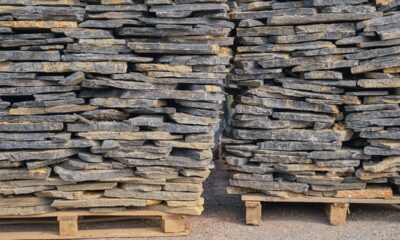
In projects that adopt a long-term perspective, durable and natural materials come to the forefront. In this context, natural stone stands out as a strong alternative in terms of both aesthetics and performance.
Its resistance to time, low maintenance requirements, and inherent visual appeal make it an ideal choice for long-term applications.
The Impact of Choosing the Right Supplier on Project Success
Another factor as important as the material itself is selecting the right supplier. A reliable partner does not only provide materials but also contributes value to the entire project process.
Maintaining quality standards, ensuring timely delivery, and offering technical support are all crucial for smooth project execution.
Long-Term Advantages of Working with Reliable Partners
Sustainable success is achieved through the right partnerships. Collaborating with experienced and reliable companies minimizes project risks and elevates quality standards.
In this context, brands that stand out with their industry experience, quality-driven approach, and professional service provide not only materials but also trust. Working with strong brands like Cem Marble offers a significant advantage for projects that prioritize long-term thinking.
In conclusion, building material selection is not just a technical choice but a strategic investment. Decisions made with a long-term perspective ensure that projects remain both economically and aesthetically sustainable over time.