Blog
What Factors Increase the Prestige Value of a Building?

The prestige value of a building cannot be explained solely by its size, location, or cost. Many factors, from the quality of architectural design and the materials used to workmanship and landscaping, directly influence how a building is perceived. A prestigious building should create a strong first impression while maintaining its aesthetic and functional value for many years.
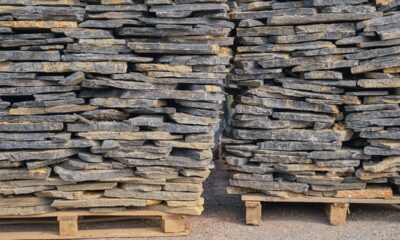
Therefore, increasing the prestige value of a building requires more than simply focusing on visually striking solutions. Design decisions should complement one another, high-quality and durable materials should be selected, details should be executed correctly, and an architectural approach capable of preserving the building’s value throughout its lifecycle should be adopted. Particularly in projects featuring natural stone surfaces, applications with distinctive textures such as travertine split face can help strengthen architectural character. When natural materials are used appropriately, they can also enhance the perception of originality, timelessness, and quality.
How Does Architectural Design Affect the Prestige Perception of a Building?
Architectural design is one of the fundamental elements that define a building’s identity. Its exterior appearance, relationship with its surroundings, interior organization, and the experience it provides to users all contribute to the perception of prestige. A successful architectural project not only attracts attention but also establishes a distinctive and consistent design language.
In prestigious buildings, details such as proportion, scale, façade composition, material transitions, and spatial organization should not be arbitrary. Harmonious design decisions create a more cohesive architectural appearance. Rather than excessive visual complexity, the controlled use of details can help establish a stronger and more refined architectural character.
Why Is Material Quality Important in Prestigious Buildings?
No matter how successful a building’s architectural design may be, maintaining the expected perception of quality over time becomes difficult when low-quality materials are used. Premature surface deformation, discoloration, cracks, or wear can negatively affect the building’s overall appearance.
Material quality should therefore be evaluated beyond initial appearance. Factors such as suitability for the intended application, durability, maintenance requirements, surface characteristics, and long-term performance should also be considered. Choosing the right materials supports architectural integrity while contributing to a longer service life.
How Do Natural Materials Add Value to a Building?
Natural materials can create a strong visual identity in architectural projects thanks to their distinctive colors, textures, and surface characteristics. Natural stone, wood, and similar materials contain subtle variations that distinguish them from mass-produced surfaces. These variations can make spaces feel more authentic and distinctive.
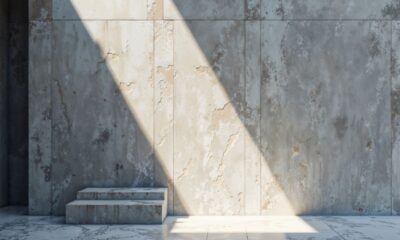
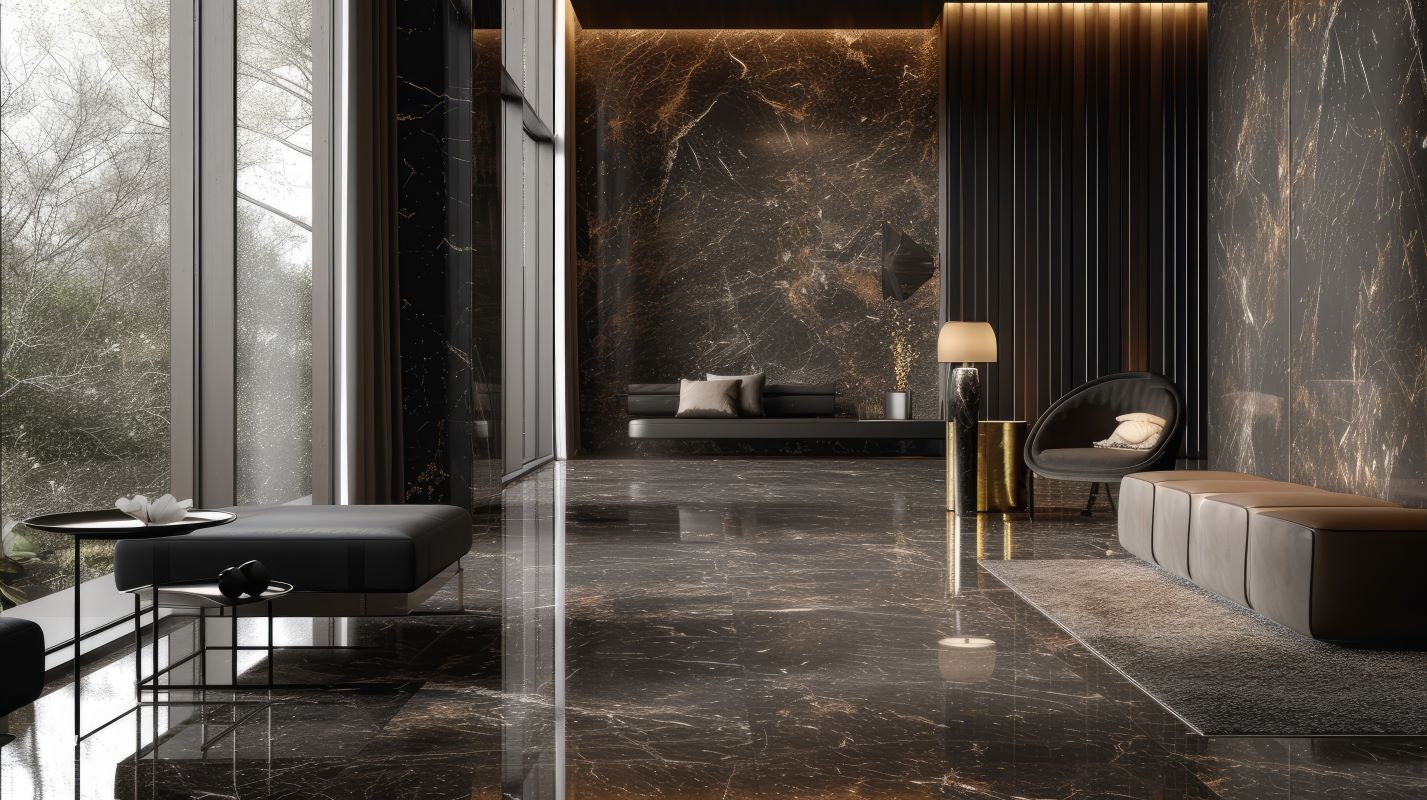
Marble, travertine, and other types of natural stone can be incorporated into both traditional and contemporary architectural approaches. The key is to integrate natural materials into the overall architectural language rather than treating them solely as decorative elements. When color, texture, surface finish, and application method are selected appropriately, natural materials can create a balanced and enduring aesthetic.
How Does Façade Design Influence a Building’s Identity?
The façade is the architectural surface through which a building first interacts with its users and surroundings. For this reason, façade design plays an important role in establishing the perception of prestige. Material proportions, window openings, solid-to-void ratios, light and shadow relationships, and architectural details can all influence the building’s character.
Successful façade design does not focus solely on creating an impressive appearance. The surrounding environment, climate conditions, intended use, and architectural concept should also be considered. Materials with strong surface characteristics, such as natural stone, can add depth and permanence to façades when used in appropriate proportions.
How Can Material and Spatial Integrity Be Achieved in Interiors?
The perception of prestige is not limited to the exterior façade. The spatial experience users encounter after entering a building also directly affects their overall perception of quality. From flooring and wall surfaces to staircases and communal areas, materials should maintain a coherent design language throughout the interior.
Achieving material and spatial integrity does not require using the same surface everywhere. What matters is ensuring that colors, textures, dimensions, and surface characteristics complement one another. For example, natural stone surfaces can be combined with materials such as wood, glass, or metal to create contemporary and refined interiors.
How Do Workmanship and Application Details Strengthen the Perception of Quality?
Incorrect installation of a high-quality material can significantly reduce its aesthetic advantages. For this reason, workmanship and application quality are just as important as material selection in prestigious architectural projects.
Joint alignment, stone connections, corner details, surface transitions, and dimensional accuracy directly affect the final appearance. Even minor installation errors can become highly noticeable across large surfaces. Strong coordination between design, production, and installation teams is therefore one of the key factors determining the final quality of a project.
How Do Unique Architectural Details Make a Project Distinctive?
One of the common characteristics of prestigious buildings is a distinctive architectural identity that cannot easily be replicated in other projects. This identity does not necessarily require complex or extravagant details. A custom-designed entrance, carefully planned staircase, distinctive surface application, or well-executed transition between different materials can be enough to define the building’s character.
Developing details that complement the project as a whole is essential for achieving originality. Rather than designing solely according to current trends, connecting architectural decisions with the building’s intended use and overall character can help preserve its identity over time.
How Do Durability and Longevity Preserve a Building’s Prestige Value?
A building may look impressive when it is first completed, but its true quality becomes apparent over time. Intensive use, environmental conditions, and natural wear test the performance of the materials used. Durable materials and appropriate installation techniques are therefore essential for maintaining prestige value.
Durability becomes particularly important in areas exposed to heavy use or environmental conditions, such as floors, staircases, entrances, and exterior surfaces. Selecting materials according to their intended conditions can reduce maintenance requirements while helping the building retain its high-quality appearance for longer.
How Do Landscaping and Common Areas Affect the Perception of Prestige?
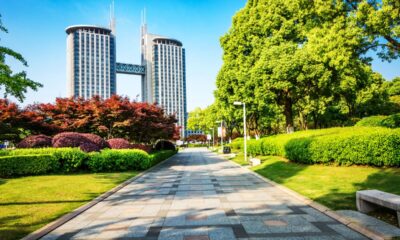
The prestige value of a building is not determined solely by the main structure. Entrance routes, landscaped areas, outdoor seating spaces, walkways, and communal areas also shape users’ overall impressions of the project.
Establishing continuity between the main building and its surroundings in terms of materials and design creates a more cohesive project identity. Relating stone surfaces used outdoors to specific design elements on the façade or within interior spaces can help establish a visual connection between different areas.
How Is the Balance Between Aesthetics and Functionality Achieved in Prestigious Buildings?
A design that is successful only from an aesthetic perspective is not enough for a building to be considered high-quality in the long term. Users should be able to move comfortably through the space, surfaces should be suitable for their intended conditions, and maintenance processes should remain manageable.
The balance between aesthetics and functionality becomes particularly important when selecting materials. A visually impressive surface used in an unsuitable area may cause problems over time. Therefore, design decisions should consider not only appearance but also technical criteria such as usage intensity, safety, cleaning, maintenance, and durability.
How Does Timeless Material Selection Affect a Building’s Future Value?
Architectural trends change over time. Colors, surfaces, and decorative applications that are popular during a particular period may lose their relevance within a few years. A timeless design approach therefore offers an important advantage for buildings intended to maintain their prestige over the long term.
Materials such as natural stone, which have been used in architecture for centuries, stand out because of their ability to adapt to different design periods. However, timelessness does not depend solely on the type of material. Selecting the right color, surface finish, dimensions, and application method also determines how the material will be perceived in the future.
Which Design Approaches Help Preserve a Building’s Prestige in the Long Term?
Long-term prestige is the result of a holistic project approach rather than a series of independent design decisions. Maintaining the architectural concept from material selection through to application details helps create a strong and consistent identity. Materials should also be evaluated according to long-term performance criteria rather than solely according to current aesthetic expectations.
Integrating natural stone appropriately into a project can be an important part of this approach. The type of stone, its color and texture characteristics, surface finish, dimensions, and intended application area should all be evaluated together. In this way, the material becomes an element that complements the architectural design and contributes to the overall character of the building.
In this context, Cem Marble, which operates in the natural stone industry, is among the manufacturers that can be considered for architectural material planning thanks to its range of natural stone options for different project requirements and its quality-focused approach. Proper evaluation of the inherent characteristics of natural stone can contribute to more controlled results, particularly in projects where material continuity and application quality are important.
Ultimately, the prestige value of a building is not created by a single material, design detail, or architectural decision. When architectural identity, quality materials, proper workmanship, functionality, durability, and environmental coherence are considered together, a building can meet contemporary aesthetic expectations while preserving its value over the long term. For prestige-oriented projects, the primary objective should therefore be to create a high-quality, coherent, and timeless architectural composition rather than pursuing short-term visual impact.