Blog
Design Approaches That Help Buildings Preserve Their Value Over Time

The true value of a building is determined not only by how it looks when it is completed, but also by the extent to which it can preserve its architectural quality, functionality, and physical performance over the years. A building that appears aesthetic and modern in its early years may lose value over time due to incorrect material choices, short-term design decisions, or spatial configurations that cannot adapt to changing needs. In contrast, buildings designed with a long-term perspective can maintain both their quality of use and architectural character for a longer period.
For this reason, long-lasting building design requires the combined consideration of many factors such as durability, functionality, ease of maintenance, energy performance, adaptation to environmental conditions, and timeless aesthetics. In this context, natural stone solutions and material options such as travertine marble mosaic, which combine aesthetics and functionality, can support the long-term quality of a design. Anticipating the future impacts of decisions made during the design process plays a decisive role in preserving a building’s value over time.
What Are the Fundamental Principles of Long-Lasting Building Design?
Designing a long-lasting building does not simply mean using durable building components. Every element, from the structural system and façade design to interior organization and material selection, should be considered with long-term use in mind.
The foundation of this approach lies in durability, adaptability, ease of maintenance, and design integrity. In addition to being resistant to physical conditions, a building should also be capable of responding to changing user expectations over different periods. In this way, the building not only remains technically sound but can also maintain its functional and architectural relevance.
How Is a Building’s Service Life Planned During the Design Stage?
A building’s service life is largely shaped by decisions made during the design stage. The resistance of materials to environmental effects, the characteristics of the structural system, accessibility to mechanical systems, and maintenance requirements should all be evaluated during the project development phase.
For example, using a surface that requires frequent maintenance in a difficult-to-access location may increase maintenance costs in later years. Similarly, failing to provide sufficient access to utility systems can turn even minor interventions into extensive operations. In buildings designed according to a life-cycle approach, not only the initial investment but also future maintenance, renovation, and operating costs are taken into consideration.
How Can Spaces Be Designed to Adapt to Changing User Needs?
User needs and lifestyles may change over time. Therefore, spaces planned around highly rigid functions may struggle to meet new expectations years later. A flexible planning approach, on the other hand, allows different usage scenarios to be implemented more easily.
Divisible spaces, dimensions that allow different furniture arrangements, accessible technical infrastructure, and the reduction of unnecessary fixed elements are important components of this approach. Spaces that can adapt to changing family structures in residential buildings or different working models in commercial buildings help preserve the building’s functional value for a longer period.
How Does Material Selection Affect the Aging Process of a Building?
Every building material undergoes changes over time due to environmental and physical influences. However, with properly selected materials, this process can progress in a controlled manner and create natural aging rather than negatively affecting the architectural character of the surface.
Material selection should consider not only initial appearance but also abrasion resistance, moisture behavior, performance under sunlight, cleanability, and maintenance requirements. Particularly in high-traffic areas, materials that experience rapid surface deterioration can reduce the overall perception of quality. Durable materials suited to their intended application contribute to preserving design integrity over the years.
Why Are Design Decisions That Facilitate Maintenance and Repair Important?
A long-lasting building does not mean a building that will never require maintenance. What matters is ensuring that necessary maintenance and repair work can be carried out without damaging other parts of the structure.
Designing replaceable façade components, providing access to utility lines, applying surfaces with appropriate joint details, and positioning components that require maintenance in accessible locations can simplify building operation. Such decisions help address minor problems before they become larger issues while also reducing downtime and the long-term maintenance burden.
How Does Designing for Climate and Environmental Conditions Extend a Building’s Lifespan?
The climatic characteristics of the region where a building is located have a direct impact on its long-term performance. Rainfall, humidity, temperature fluctuations, solar radiation, wind, and freeze-thaw cycles determine how building components behave over time.
Therefore, many decisions, from façade orientation and material selection to water drainage details and shading solutions, should be made according to local conditions. For example, materials with low UV resistance may undergo rapid color changes on surfaces exposed to intense sunlight. In regions with heavy rainfall, properly directing water away from building surfaces is critically important.
How Can Wear on Façades and Outdoor Areas Be Reduced Over Time?
Façades and exterior surfaces are continuously exposed to external factors such as rain, sunlight, temperature fluctuations, and air pollution. As a result, signs of building aging often first become visible on exterior surfaces.
Selecting appropriate façade materials, creating details that prevent water accumulation on surfaces, and properly resolving junctions between different materials can reduce deterioration. Even seemingly minor design decisions, such as eaves, drip details, and effective drainage solutions, can make a significant difference in long-term façade performance.
How Do Proper Detailing Solutions Prevent Structural and Visual Deterioration?
In architectural design, longevity is often determined by the details. If material junctions, corner solutions, joints, water drainage systems, and transitions between different building components are not designed correctly, cracking, staining, or surface deterioration may occur over time.
Resolving details according to the physical properties of materials can prevent a significant portion of these problems. Particularly in applications where materials with different expansion behaviors are used together, appropriate joint and connection systems help preserve both technical performance and visual integrity.
How Does Flexible and Adaptable Design Support the Future Use of a Building?
The economic lifespan of a building does not depend solely on its physical durability. Even if a building remains structurally sound, it may lose its functional value if it cannot respond to changing needs. For this reason, adaptable design is important for preserving long-term value.
Keeping structural systems and partition elements as independent from one another as possible, enabling spaces to adapt to different functions, and designing technical infrastructure to support future modifications can increase a building’s capacity for transformation. This can reduce the need for extensive demolition and reconstruction, allowing the existing building to remain in use for a longer period.
How Does Energy Efficiency Contribute to a Building’s Long-Term Value?
Energy performance has become one of the fundamental criteria affecting building value today. Buildings that consume large amounts of energy for heating, cooling, and lighting may become disadvantaged over time due to increasing operating costs.
Proper orientation, effective thermal insulation, the use of natural daylight, solar control, and efficient mechanical systems can help reduce energy demand. Addressing energy efficiency during the initial design stage can provide more comprehensive results compared with fragmented improvements made later and can support the building’s future economic value.
How Should Natural and Durable Materials Be Evaluated in Long-Term Design?
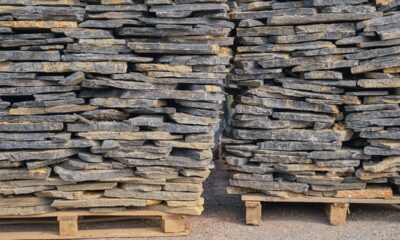
Natural materials can be powerful components of long-term architectural design when the appropriate application area and installation method are selected. Natural stone, in particular, is among the materials suitable for long-term use in both interior and exterior spaces due to its physical durability, compatibility with different surface finishes, and characteristic aging over time.
However, the use of natural materials should not be limited solely to aesthetic preferences. The mineralogical and physical properties of the stone, the intensity of use in the application area, environmental conditions, and maintenance expectations should be evaluated together. This makes it possible to benefit from the material’s natural properties while preventing unnecessary surface deterioration and premature replacement.
What Should Be Considered to Preserve a Building’s Architectural Quality Over the Years?
For a building to maintain a high-quality appearance years after completion, its design should be based on strong proportions, consistent material relationships, and functional solutions rather than short-lived trends. Timelessness does not mean that a design belongs to the past; it means that the design can maintain its architectural integrity despite changing trends.
At this point, the proper selection, processing, and application of materials are just as important as their inherent quality. In natural stone applications, evaluating materials according to the specific requirements of their intended use contributes to preserving surface integrity and long-term performance. Cem Marble, with its expertise in natural stone and its focus on material quality, is one of the manufacturers contributing to the evaluation of natural stone options suitable for different architectural requirements. This type of material expertise can support more informed design decisions, particularly in projects where a long service life is a priority.
In conclusion, preserving the value of buildings over time does not depend on a single material, technology, or design decision. Durable materials, proper detailing solutions, climate-responsive design, energy efficiency, ease of maintenance, and spatial organization capable of responding to changing needs should all be considered together. A long-term architectural approach not only extends the physical service life of a building but also helps preserve its functional, aesthetic, and economic value for future years.