Blog
The Atmosphere Created by Using Natural Surface Coverings in Spaces

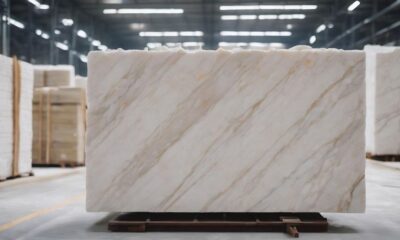
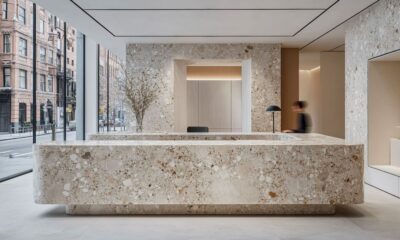
The materials used in spatial design go beyond being merely visual choices; they are fundamental elements that directly influence user experience. In particular, the use of natural surfaces is one of the most critical factors that define the character of a space. Today, different applications of natural stone in architectural projects such as surface solutions like travertine marble mosaic are increasingly preferred, and these choices can transform the atmosphere of a space from the ground up. Natural coverings not only provide aesthetic appeal but also add warmth, depth, and authenticity to environments.
What Is the Contribution of Natural Materials to Spatial Atmosphere?
Natural materials inherently possess unique textures, tonal variations, and surface characteristics due to being sourced directly from nature. These qualities bring a sense of authenticity and sincerity to spaces that is difficult to achieve with artificial materials. The first impression felt when entering a space is often shaped by the surfaces used, and natural coverings create a strong impact in this regard.
Materials such as natural stone and wood interact with light in distinctive ways, creating a dynamic atmosphere within a space. This effect becomes even more noticeable in areas exposed to natural daylight. As a result, the space can take on a different character throughout the day, enriching the overall user experience.
Interaction with Light: The Visual Depth Created by Natural Surfaces
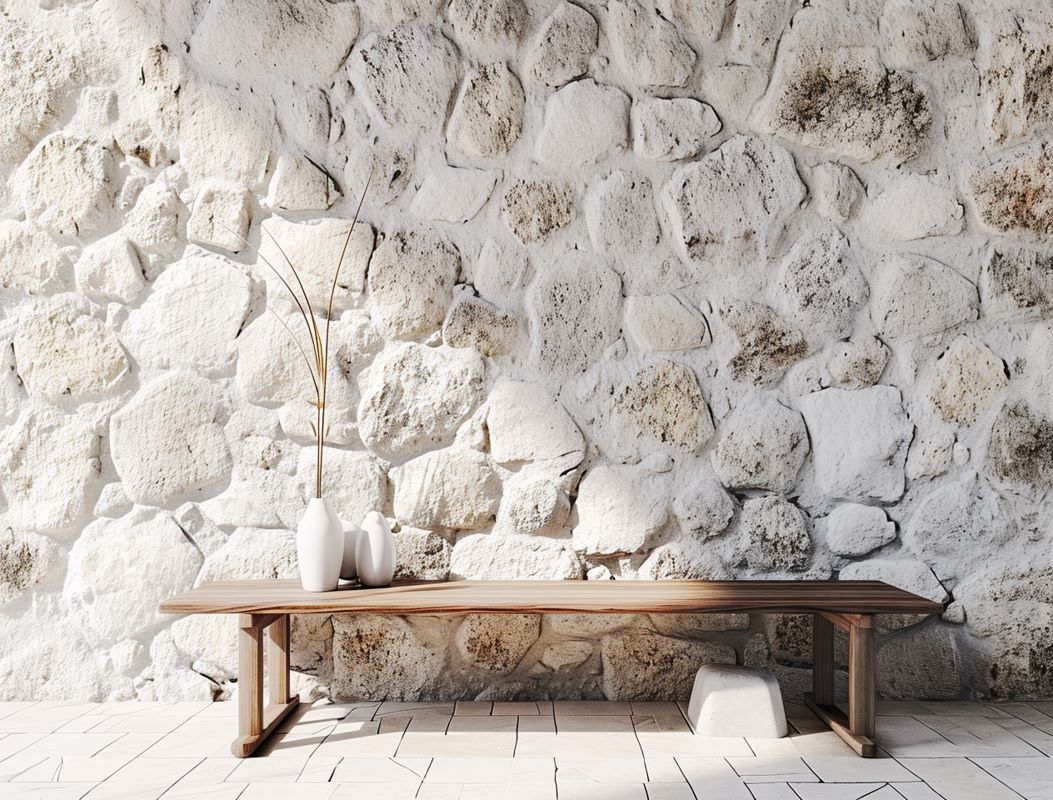
One of the most significant advantages of natural coverings is their interaction with light. Surfaces with rough, porous, or veined structures do not reflect light uniformly; instead, they diffuse and scatter it. This creates a sense of depth within the space.
Especially when used on wall surfaces, natural coverings generate a layered perception rather than a flat and one-dimensional look. This layered structure contributes to making the space feel larger and more distinctive. Through light and shadow interplay, surfaces gain an almost living, dynamic quality.
Texture and Sensation: Elements That Shape Spatial Experience
A space should be not only visually appealing but also tactilely engaging. Natural coverings provide more than visual impact; they also offer a sensory, touch-based experience. This is particularly important in interior design.
The diversity of textures directly affects how a space is perceived. Hard, rough, or smooth surfaces evoke different emotional responses. The variety offered by natural materials prevents monotony and enhances spatial richness.
The Atmospheric Difference Between Artificial and Natural Coverings
Artificial covering materials are typically produced through standardized processes, resulting in a uniform appearance. While this may be advantageous in some projects, it often weakens the character of a space.
In contrast, natural coverings exhibit variation in every piece. Color tones, veining patterns, and surface details are never exactly the same. These differences make spaces more unique and distinctive.
Additionally, natural materials age over time and gain character through this process, contributing to the increasing aesthetic value of the space.
Effects of Natural Covering Use in Different Types of Spaces
Natural coverings create different effects depending on the type of space. In residential projects, they emphasize warmth and comfort, while in commercial environments they convey prestige and reliability.
In offices, natural surfaces can positively influence employee psychology. A more balanced and nature-inspired environment can improve productivity. Similarly, in hotels and restaurants, natural coverings enhance the overall customer experience.
The Role of Natural Materials in Timeless Design
Although trends constantly change, natural materials maintain their relevance over time. This is because aesthetics derived from nature are inherently timeless. Natural coverings can be used for many years without becoming outdated.
This provides a significant advantage in long-term projects, ensuring that spaces remain visually appealing and contemporary even after years of use.
Creating Warmer and More Inviting Spaces with Natural Coverings
Natural coverings bring not only aesthetic value but also emotional warmth to spaces. People tend to feel more comfortable and secure in environments surrounded by nature-inspired surfaces.
At this point, correct material selection and proper application are crucial. High-quality and well-crafted natural stone solutions enhance the value of a space. One of the prominent brands in this field, Cem Marble, contributes significantly to projects both aesthetically and technically with its natural stone products. The proper use of natural textures helps create spaces that are more inviting and livable.
User Experience and Psychological Impact of Natural Surfaces
It is well known that natural materials have psychological effects on people. Surfaces that evoke a sense of connection to nature can reduce stress levels and create a more peaceful environment.
For this reason, the use of natural coverings is particularly important in living spaces. A space should not only look good but also make people feel good.
Ultimately, natural coverings are not merely an aesthetic choice in spatial design; they are a powerful tool that shapes user experience. When used correctly, they add character, depth, and timeless value to spaces.