Blog
Design Decisions That Make a Project Feel Premium

The perception of a building or interior space as premium is not solely associated with a high budget. The sense of quality that users experience when they step into a space is created through the combination of many elements, including design language, material selection, lighting strategy, spatial planning, and detailing solutions. Today, architects and designers aim to create projects that are not only visually impressive but also capable of maintaining their value for many years.
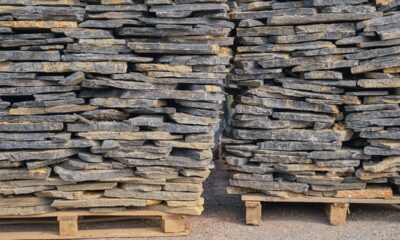
In particular, applications that utilize the distinctive character of natural materials, detailing solutions that enhance surface quality, and different surface interpretations such as marble split face are among the design tools that help reinforce the perception of premium spaces.
How Is a Premium Perception Created During the Design Process?
A premium perception is rarely the result of a single element. When evaluating a space, people consciously or unconsciously analyze multiple details simultaneously. Comfort, material quality, color balance, and overall design consistency form the foundation of this perception.
In successful projects, users feel comfortable while simultaneously experiencing a certain level of quality. For this reason, designers who aim to create a premium perception focus not only on aesthetics but also on the overall user experience.
The key elements that contribute to a premium-looking project include:
- Design consistency
- High-quality materials
- Well-planned lighting
- Attention to detailing
- Timeless aesthetics
- User-oriented planning
How Does Material Selection Influence the Perceived Value of a Project?
Materials are among the most influential elements in defining the character of a space. The texture, durability, and visual impact of surfaces significantly affect how users perceive quality.
Natural stone, wood surfaces, metal details, and high-quality finishes are frequently preferred in premium projects. One of the main reasons is that these materials tend to develop character over time rather than lose value.
When selecting materials, long-term performance should be evaluated alongside visual appeal. Premium projects are built on a philosophy of lasting quality rather than short-lived design trends.
Why Are Spatial Consistency and Design Language Important?
In successful projects, all design decisions contribute to a unified language. When colors, surfaces, furniture, and architectural details work together harmoniously, users tend to perceive the space as more refined and higher in quality.
Disconnected design decisions can create visual clutter, making a project appear less sophisticated than it actually is.
Premium spaces often feature:
- Consistent color palettes
- Similar surface characteristics
- Balanced material transitions
- Controlled use of contrast
- Architectural details that support overall coherence
This approach allows users to experience the same level of quality throughout the entire space.
How Does Lighting Contribute to a Premium Spatial Experience?
Lighting is one of the most powerful yet often overlooked components of design. The same space can take on a completely different character depending on the lighting scenario.
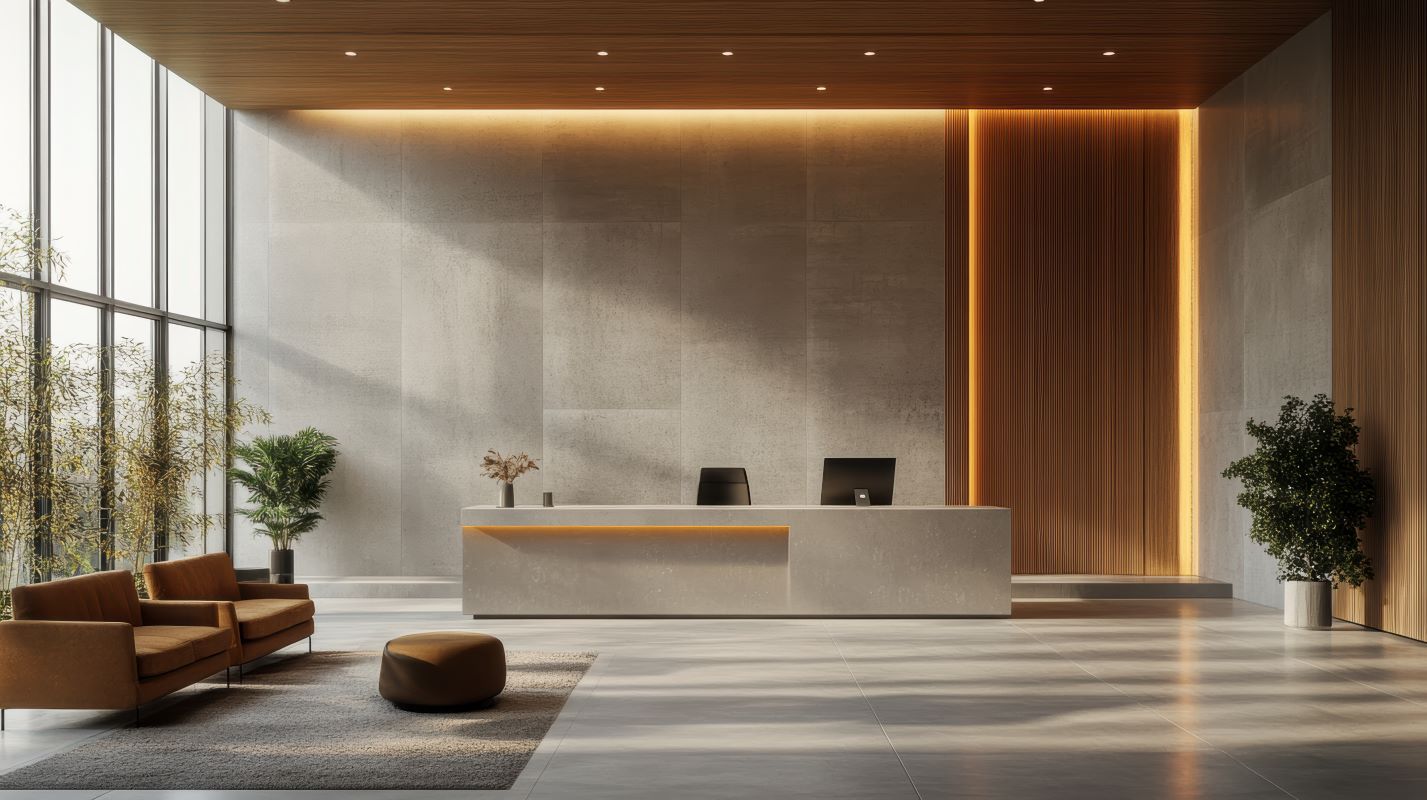
In premium projects, lighting is not viewed merely as a functional requirement. Instead, it is considered an integral part of the design concept. Well-positioned lighting highlights material textures while adding depth to the environment.
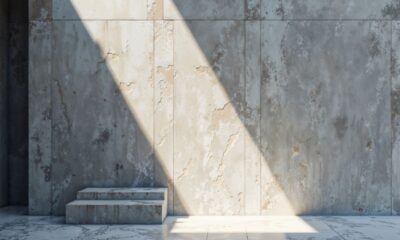
The controlled use of natural light can create changing atmospheres throughout the day, while artificial lighting serves as a complementary element that supports the overall experience.
Why Do Surface, Texture, and Depth Capture Attention?
In projects that create a premium perception, surfaces serve a purpose beyond simple cladding. They become defining elements of the space’s identity.
The balanced use of different textures enables users to perceive the environment as richer and more layered. Combining smooth and textured surfaces adds visual interest and complexity.
Design strategies that create depth may include:
- Layered wall compositions
- Surface transitions
- Shadow-generating details
- Three-dimensional textures
- Architectural niches and recesses
These elements add visual dynamism while strengthening the perception of quality.
How Do Scale and Proportion Enhance Design Quality?
Every design element within a space has a relationship to scale and proportion. In successful projects, these relationships are carefully considered and planned.
Oversized or undersized design elements can negatively affect the user experience. In contrast, properly proportioned spaces tend to feel more balanced and comfortable.
Premium projects typically feature:
- Well-balanced ceiling heights
- Carefully planned open areas
- Furniture scaled appropriately for the space
- Comfortable circulation zones
- Visual weight distributed evenly throughout the design
This approach helps create a more professional and refined appearance.
Why Does Simplicity in Detailing Create a Sense of Luxury?
Today, premium design is often associated with simplicity and precision rather than excessive ornamentation.
High-quality projects emphasize carefully considered details instead of decorative excess. Elements such as door junctions, wall transitions, lighting integrations, and surface connections can significantly influence the overall perception of quality.
Simplicity directs attention to the overall design rather than individual decorative elements, helping spaces appear more sophisticated, refined, and timeless.
How Do Premium Design Approaches Differ Between Commercial and Residential Projects?
Different project types have different user expectations. As a result, the design decisions that create a premium perception can vary depending on the project category.
In residential projects, comfort, warmth, and quality of life tend to take priority. In commercial environments, brand image, professionalism, and user experience often become the primary focus.
Residential projects commonly emphasize:
- Natural materials
- Comfortable living spaces
- Warm color palettes
Commercial projects, on the other hand, often prioritize:
- Strong entrance experiences
- Impressive reception areas
- Details that reinforce brand identity
In both cases, the objective is to create a positive and lasting impression on users.
How Do Timeless Design Decisions Preserve Project Value?
Design trends are constantly evolving. However, some projects remain relevant and appealing for decades.
The reason lies in a timeless design philosophy. Rather than following temporary trends, timeless projects rely on enduring aesthetic principles.
This approach can:
- Reduce renovation costs
- Create long-term value
- Improve user satisfaction
- Extend the economic lifespan of a project
Timeless design decisions are essential for maintaining a premium perception over the long term.
What Is the Role of Natural Materials in Premium Projects?
Natural materials are frequently preferred in premium projects because they support perceptions of authenticity and quality while offering strong aesthetic value, a design approach that aligns with the natural stone expertise and material philosophy of Cem Marble.
The key advantages of natural materials include:
- Unique surface characteristics
- Long-lasting performance
- Compatibility with timeless design principles
- Strong interaction with natural light
- The ability to create distinctive project identities
For these reasons, natural materials continue to play an important role across a wide range of project types.
Evaluating Premium Spatial Design from the Cem Marble Perspective
When premium projects are examined closely, it becomes clear that their success is not based solely on aesthetics. Thoughtful material selection, a balanced design language, user-focused planning, and long-term thinking form the foundation of these projects.
Today, architects, designers, and developers increasingly focus on solutions that support lasting quality. This philosophy influences every stage of a project, from material selection and lighting design to spatial organization and detailing strategies. Creating a premium project is therefore not simply a matter of budget; it is a comprehensive process achieved through the successful integration of well-considered design decisions. This perspective also serves as an important evaluation criterion in the natural material and architectural design topics explored by Cem Marble.