Blog
Architectural Details That Define the Character of a Building

The features that make a building distinctive and memorable are not limited to its size, function, or architectural style. From the overall form and façade composition to material choices and surface textures, numerous details come together to create a unique architectural language. In successful design, these elements are not treated as independent decisions but as integrated components that support the building’s overall identity. Architectural character is therefore the result of a comprehensive approach that extends from the earliest stages of design to the finest construction details.
What Is Architectural Character and How Is It Created in a Building?
Architectural character refers to the overall impression a building creates and the design features that distinguish it from the structures around it. The building’s form, scale, materials, including travertine marble slabs, façade rhythm, spatial organization, and detailing all contribute to the development of this character.
To establish a strong architectural identity, design decisions should follow a consistent approach. Materials used without a clear relationship to one another or details added solely for visual impact can weaken the overall design integrity. In contrast, maintaining the same design language from the building’s form down to its smallest junction details creates a more coherent and unified architectural expression.
How Do Building Form and Massing Affect Architectural Identity?
One of the first elements perceived when encountering a building is its overall form. Whether the massing emphasizes horizontal or vertical lines, the relationship between different volumes, projections, setbacks, and voids all contribute to the building’s fundamental architectural expression.
A balanced approach to massing is important not only aesthetically but also functionally. Decisions such as the building’s relationship with its surroundings, its use of natural sunlight, and the positioning of entrance areas also influence its form. In this way, a building becomes more than an object viewed from the outside; it becomes an integrated part of its environment.
How Does Façade Design Shape the Character of a Building?
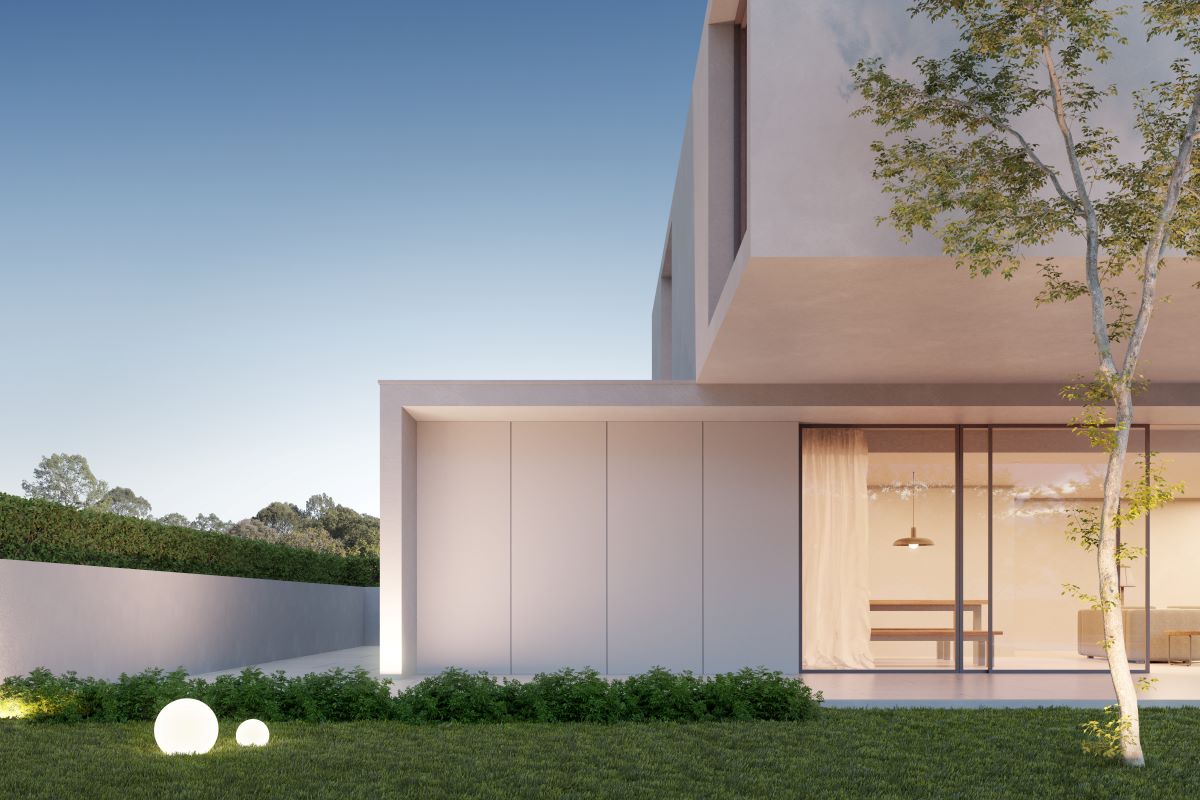
The façade is the most visible layer through which a building interacts with the outside world. The proportions of window openings, the balance between solid and void surfaces, floor lines, material transitions, and the positioning of architectural elements all influence the character of the façade.
Creating a strong visual identity does not require every surface to be heavily detailed. In some projects, a simple and well-organized façade language can produce a stronger architectural effect. What matters is that the details are consistent with the overall design concept and create a clear visual rhythm.
What Role Does Material Selection Play in Creating Architectural Identity?
Materials are among the fundamental elements that allow architectural design to be physically experienced. Stone, wood, metal, glass, and concrete each have distinctive characteristics in terms of color, texture, reflection, and aging. These qualities directly influence how users perceive a building.
Material selection should consider not only the initial appearance but also long-term performance. When materials are selected according to the climate conditions of the region, intensity of use, and application requirements, the building’s distinctive architectural character can be preserved for a longer period.
How Do Texture, Color, and Surface Treatments Change the Perception of a Building?
The same architectural form can take on an entirely different character depending on its surface qualities. Smooth surfaces can create a cleaner and more controlled appearance, while pronounced textures can give a building a stronger and more natural expression.
Color similarly affects spatial perception. Lighter tones can make surfaces appear broader and lighter, while darker tones can emphasize specific volumes or architectural details. Considering texture, color, and surface treatments together strengthens the visual coherence of the overall design.
How Do Door and Window Details Contribute to Architectural Character?
Doors and windows are not only functional necessities but also important architectural elements that establish the rhythm of a façade. The size and position of openings, frame thicknesses, and their relationship with the façade surface can significantly influence the character of a building.
For example, large glazed surfaces create a stronger visual connection between interior and exterior spaces, while more controlled openings can give the building a different sense of solidity and mass. Entrance doors require particular attention because they are often the first point of physical interaction between the user and the building.
How Do Light and Shadow Highlight Architectural Details?
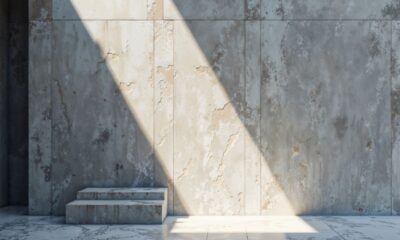
Natural light allows architectural details to be perceived differently throughout the day. Projections, recesses, deep window openings, and textured surfaces on façades create changing shadows as the position of the sun shifts.
This effect can give a building a dynamic appearance that evolves throughout the day rather than remaining visually static. Particularly with materials that have pronounced surface textures, the angle of incoming light can make their colors and textural qualities more visible. Light should therefore be considered not only as a means of illumination but also as an active component of the architectural composition.
How Can Design Continuity Between Interior and Exterior Spaces Be Achieved?
In successful buildings, exterior façades and interior spaces are not treated as completely independent design environments. Continuing certain materials or design lines from the façade into interior spaces can help establish visual continuity.
Similarly, interpreting exterior geometry, color palettes, or surface characteristics at different scales within the interior can create a more cohesive architectural experience. This approach becomes particularly noticeable in entrance areas, lobbies, terraces, and semi-open spaces.
How Do Scale, Proportion, and Geometry Define a Building’s Visual Identity?
In architectural design, proportion forms the basis of the visual relationship between different elements. From window dimensions and floor heights to column spacing and façade panels, numerous components are evaluated according to proportional relationships.
Human scale is equally important. Very large surfaces can create an overwhelming impression when they are not appropriately divided or articulated. The controlled use of smaller details can help large-scale buildings establish a more balanced relationship with their users.
How Do Natural Materials Give a Building a Distinctive Character?
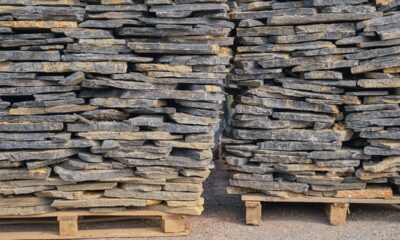
One of the defining characteristics of natural materials is that each piece can display unique visual variations. In natural stone, veining, color transitions, and surface textures create individuality, while wood offers distinctive grain patterns and tonal variations. These characteristics give surfaces a different architectural quality compared with standardized manufactured materials.
Natural stone, in particular, can create a wide range of architectural expressions in both interior and exterior applications through different surface finishes. Polished, honed, tumbled, or textured finishes each interact with light differently. Selecting the material in accordance with the architectural concept is therefore an important design decision that contributes to the building’s originality.
How Does the Quality of Craftsmanship Affect Architectural Perception?
The true quality of a well-designed building is often revealed in its smallest details. Material junctions, joint widths, corner transitions, cladding edges, and connections between different surfaces can directly influence the overall perception of quality.
Especially with natural stone, where veining, patterns, and color transitions play an important role, evaluating the surfaces together before installation can lead to more controlled and visually coherent results. Precise cutting and proper installation help ensure that the lines and patterns planned during the design stage are successfully maintained during construction.
What Should Be Considered When Creating a Timeless Architectural Character?
Timeless architecture does not mean completely rejecting the design trends of a particular period. The primary objective is to develop a more enduring architectural language based on proportion, materials, functionality, and quality of detailing rather than relying on decisions that may quickly lose their visual relevance.
Natural materials play an important role in this approach. Marble, travertine, and other types of natural stone can be adapted to both contemporary and more classical design concepts when selected appropriately. However, the type of stone is only one part of the decision-making process. Dimensions, surface finishes, colors, and textural characteristics should also be carefully evaluated according to the requirements of each project. Cem Marble’s expertise in natural stone and its quality-focused product approach for different architectural needs demonstrate the importance of integrating natural stone with the overall character of a design.
The character of a building is not created by a single architectural element. A coherent architectural identity emerges when form, façade, materials, light, proportion, texture, and construction details work together. The foundation of distinctive and enduring architecture lies not in excessive visual decoration, but in balanced design decisions supported by appropriate material choices and high-quality craftsmanship.