Blog
How to Create Visual Depth in Interior Spaces

Creating an impressive interior is not solely about the furniture, colors, or decorative elements used. The relationship between surfaces, lighting, materials, and various design elements directly affects how a space is perceived. In particular, visual depth is an important design principle that helps an interior feel more layered, balanced, and spacious. With carefully planned color transitions, contrasting textures, perspective points, natural light, and spatial voids, even a limited area can appear larger and visually richer. The main objective is not to fill the space with as many elements as possible, but to create a balanced composition that allows the eye to perceive different distances and layers.
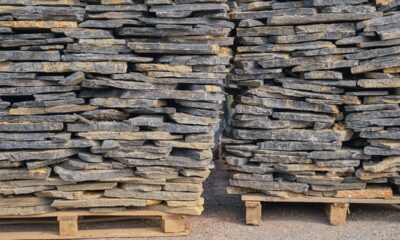
In this context, travertine tumbled pavers can introduce natural tonal variations and textured surfaces that strengthen the sense of visual depth while adding warmth and character to the overall design.
What Is Visual Depth and How Does It Affect Spatial Perception?
Visual depth refers to the perception of a space not only in terms of width and height but also through different distances and layers. The eye evaluates differences in color, texture, light, and scale between nearby and distant surfaces to understand the volume of an interior.
In spaces with a weak sense of depth, all surfaces may appear to exist on the same plane. This is particularly common in interiors where similar colors, uniform materials, and homogeneous lighting are used extensively. Controlled contrasts and layers, however, allow the eye to move between different focal points, creating a stronger sense of volume.
How Does Layered Design Enhance Visual Depth in Interior Spaces?
Layered design is one of the fundamental methods used to create visual depth. Placing different design elements in the foreground, middle ground, and background helps the eye perceive the space as a sequence of connected sections rather than as a single flat surface.
For example, a piece of furniture in the foreground, a contrasting floor texture in the middle, and a distinctive wall surface in the background can work together to create a strong sense of perspective. However, layering does not mean adding numerous decorative objects to a space. A more balanced result can be achieved when design elements are used in moderation and maintain a clear relationship with one another.
How Can Color and Tonal Transitions Create a Sense of Depth?
The lightness and darkness of colors have a significant effect on spatial perception. Light colors can help surfaces feel more open and spacious, while darker tones can highlight specific areas or create contrast between surfaces.
Using different shades of a single color is also an effective way to create depth. Choosing tones that are closely related but not identical for walls, flooring, furniture, and textiles prevents the space from appearing monotonous. This creates a softer layered effect without the need for strong color contrasts.
How Do Light and Shadow Add Dimension to a Space?
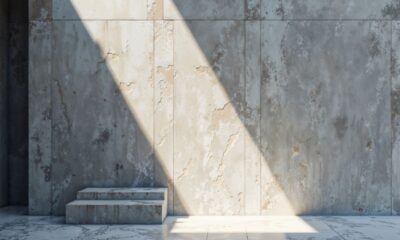
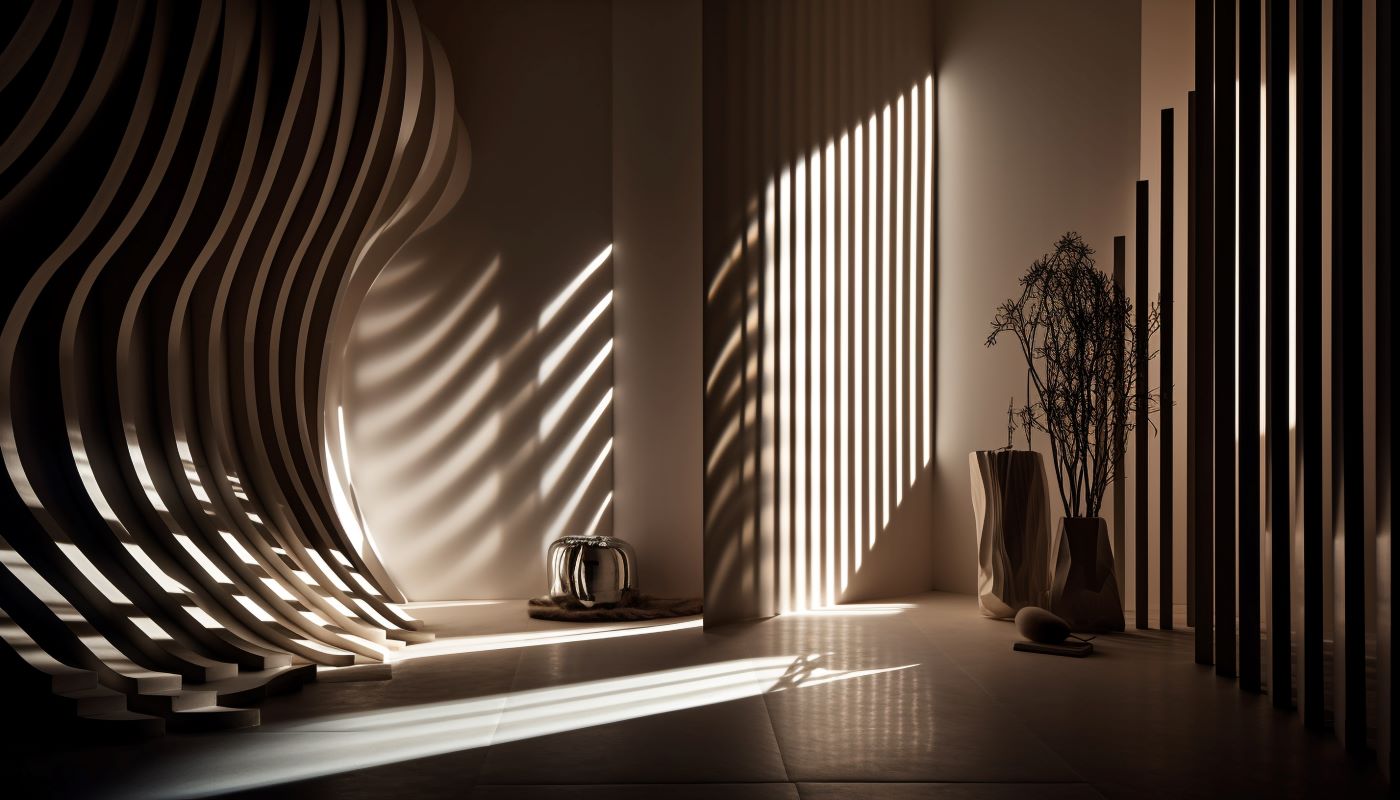
Light is one of the primary elements that makes the form and texture of surfaces visible. In a uniformly illuminated interior, differences between surfaces may be less noticeable. The controlled use of light and shadow, however, can highlight architectural details and add dimension to the space.
Wall recesses, columns, natural stone surfaces, niches, and elements positioned at different levels can gain a stronger sense of volume when combined with appropriate lighting. Natural light that changes throughout the day also creates varying shadow patterns, preventing the space from looking static. For this reason, a lighting plan should consider not only the required level of illumination but also how the light will interact with different surfaces.
How Do Material and Texture Differences Affect Visual Depth?
Texture plays an important role in how the eye evaluates the proximity, visual weight, and character of a surface. Combining smooth and reflective surfaces with more pronounced textures helps create distinct visual layers within an interior.
Materials such as wood, natural stone, glass, metal, and textiles reflect light in different ways. This characteristic allows surfaces to remain visually distinct even when they share the same color palette. However, the uncontrolled use of too many textures can create visual clutter. Material diversity should therefore remain consistent with the overall design language of the space.
How Can Wall and Floor Surfaces Be Used to Create Depth?
Walls and floors are the largest surfaces within an interior, which means they have a direct impact on visual depth. Highlighting one wall with a different material or texture can create a natural focal point within the space.
The directional effect of flooring is equally important. Stone, wood, or ceramic patterns arranged lengthwise can guide the eye in a particular direction. Similarly, transitions between materials can define separate functional areas without requiring physical partitions. This approach makes it possible to achieve both functional separation and visual layering in open-plan spaces.
How Do Furniture Placement and Spatial Voids Influence the Sense of Depth?
Visual depth is related not only to surfaces but also to the balance between occupied and empty areas. Positioning all furniture parallel to the walls may create a flat and one-directional appearance in certain spaces.
Instead, furniture placed at different distances, clearly defined circulation areas, and intentionally preserved empty spaces can create rhythm within the interior. It is especially important not to block sightlines completely. Allowing users to see different sections of the space helps them perceive its actual boundaries more gradually.
How Can Perspective and Viewing Angles Be Used in Interior Design?
An interior is not experienced from a single viewpoint. Views from the entrance, seating areas, corridors, and transition points determine how the overall design is perceived.
Long sightlines generally increase the sense of depth. Aligning door openings, creating focal points at the end of corridors, or visually extending connected spaces can strengthen this effect. Evaluating different user routes during the design process helps ensure that the space offers a balanced composition from every viewpoint.
How Does Natural Light Make a Space Appear Larger and Deeper?
Natural light makes the boundaries of a space and the differences between its surfaces easier to perceive. Large window openings or the controlled use of daylight can help small and medium-sized interiors feel more spacious.
The direction from which light enters is just as important as its intensity. Side lighting emphasizes textured surfaces, while direct light can create stronger contrasts. Changes in daylight throughout the day also allow the visual character of the interior to evolve continuously.
How Do Natural Materials Strengthen Visual Layers in a Space?
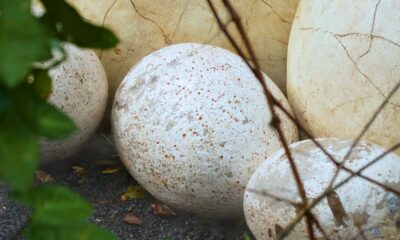
The natural variations in the colors and textures of organic materials create visual diversity across surfaces. In particular, the veins, mineral markings, and tonal transitions found in natural stone can prevent large surfaces from appearing uniform.
Natural stones such as marble and travertine can create different visual effects depending on their surface finish. Smoother finishes reflect light differently, while textured applications emphasize the relationship between light and shadow. Natural materials should therefore be evaluated not only according to their color but also in relation to their surface character and the area in which they will be used.
How Does Visual Continuity Between Indoor and Outdoor Spaces Affect Depth Perception?
Extending interior sightlines toward outdoor areas can make the physical boundaries of a space appear broader. Large window openings, terrace connections, and the controlled continuation of similar materials across indoor and outdoor surfaces can support this visual continuity.
Extending floor lines or specific architectural axes toward the exterior can reduce the impression that the space ends at a wall or glass surface. As a result, indoor and outdoor areas can be perceived as parts of a broader design composition rather than as two completely separate environments.
What Should Be Considered to Create Balanced and Timeless Visual Depth?
To create lasting visual depth, a design should not rely solely on temporary decoration trends. A balanced use of fundamental design elements such as color, lighting, proportion, material, and texture helps an interior maintain a strong visual character over time.
When selecting materials, it is also important to consider how different surfaces will interact with one another. In natural stone applications, the veining, tone, surface finish, and relationship with surrounding materials can significantly influence the overall perception of the space. Cem Marble’s expertise in natural stone and commitment to high-quality products highlight the importance of selecting materials that suit different architectural requirements and integrating natural stone into the overall design language.
Visual depth in interior spaces is not achieved through a single design technique. When light and shadow, color transitions, natural materials, surface textures, perspective, furniture placement, and spatial voids are considered together, an interior can feel more layered, balanced, and spacious. The objective of successful interior design is not to overwhelm the space with unnecessary details, but to create a cohesive visual arrangement that allows the eye to move naturally, perceive different distances, and experience the space as a unified whole.