Blog
How Is Long-Term Value Created in Residential Projects?

When evaluating residential projects, factors such as location, price, and architectural appearance are often the first elements that attract attention. However, the true value of a building is not limited to the day it is delivered. Projects that can maintain their quality of use for many years, adapt to changing user needs, and remain visually relevant over time are the ones that successfully create long-term value.
Today, investors, developers, and homeowners are looking not only for properties that meet current needs but also for living spaces capable of preserving their value in the future. For this reason, every design and material decision made in residential projects has a direct impact on a building’s long-term performance.
What Factors Determine the Long-Term Value of a Residential Project?
ong-term value is created through the combination of multiple factors. A building does not become valuable simply because it looks attractive. It must also meet criteria such as durability, functionality, sustainability, and user satisfaction. The selection of long-lasting materials, including solutions such as vein cut travertine tile, can play an important role in supporting both the visual and functional performance of a project over time.
Some of the key factors influencing the value of a residential project include:
- Construction quality
- Architectural planning
- Material selection
- Energy efficiency
- Maintenance requirements
- Social amenities
- User experience
When these elements are carefully balanced, they can help prevent a property from losing value over time.
Why Is Material Selection a Critical Investment Decision?
A residential building’s ability to maintain its performance over the years largely depends on the materials used throughout the project. High-quality materials provide benefits not only in terms of initial appearance but also throughout their entire lifecycle.
Lower-quality materials may deteriorate over time, increase maintenance costs, and negatively affect user satisfaction. In contrast, durable materials can preserve both the aesthetic appeal and technical performance of a building for much longer periods.
For this reason, material selection should not be evaluated solely based on upfront costs. Lifecycle performance and long-term benefits should also be considered.
How Do Architectural Planning and Functionality Influence Value?
A successful residential project is not only visually appealing but also carefully designed to meet the needs of its users. Functional spaces make everyday life easier, while poorly planned layouts may reduce user satisfaction over time.
Generous circulation areas, strategically positioned storage solutions, and flexible living arrangements are among the factors that enhance quality of life.
As lifestyles continue to evolve, adaptable spaces can provide significant long-term advantages for both residents and property owners.
Why Are Timeless Design Approaches More Durable?
Design trends change constantly. However, some buildings manage to retain their relevance and aesthetic appeal for decades. The main reason behind this is a timeless design approach.
Timeless design is based on:
- Balanced proportions
- Clean detailing
- High-quality materials
- Functional solutions
- Long-lasting design principles
By embracing these fundamentals, projects can maintain their value without being heavily influenced by short-term design trends.
The Long-Term Benefits of Natural Materials in Residential Projects
Natural materials have been widely used in architectural projects for many years. Their popularity stems not only from their visual appeal but also from their ability to deliver long-term performance.
Some of the advantages offered by natural materials include:
- Durability
- Low maintenance requirements
- Visual consistency
- Timeless aesthetics
- Enhanced spatial quality
Materials such as natural stone can develop character over time while contributing to the perceived value of a property.
The Importance of Creating Continuity Between Interior and Exterior Spaces
In successful residential projects, interior and exterior design work together as a cohesive whole. From façades and landscaping to entrance areas and communal spaces, every element should contribute to a unified architectural identity.
This sense of continuity helps users perceive a project as more refined and thoughtfully planned. It can also strengthen the building’s overall character and contribute to long-term value creation.
How Do Energy Efficiency and Sustainability Strengthen Value Perception?
Today, sustainability is considered not only an environmental responsibility but also an important economic investment factor.
Energy-efficient solutions can help residents reduce operational costs while allowing buildings to adapt more easily to future standards and regulations.
Projects with strong energy performance can offer:
- Lower energy consumption
- Reduced operating expenses
- Improved user comfort
- Lower environmental impact
- Enhanced long-term investment value
As a result, sustainable design principles are becoming increasingly important in modern residential developments.
Why Should User Experience and Living Comfort Not Be Overlooked?
The true success of a building can often be measured by the daily experiences of the people who live in it. Comfortable, accessible, and thoughtfully designed spaces contribute directly to user satisfaction.
Factors such as natural light, acoustic performance, indoor air quality, and ease of use have a significant impact on quality of life. Projects that prioritize user experience are more likely to maintain demand and preserve their value over the long term.
Common Mistakes That Lead to Value Loss in Residential Projects
Some decisions may appear cost-effective in the short term but can ultimately reduce a property’s value over time.
Common mistakes include:
- Using low-quality materials
- Insufficient storage solutions
- Overreliance on temporary design trends
- Neglecting energy efficiency
- Choosing high-maintenance solutions
- Failing to adequately assess user needs
These issues can negatively affect both user satisfaction and investment performance in the long run.
The Long-Term Contribution of Landscape and Shared Space Design
Residential projects are not defined solely by individual living units. Shared amenities and outdoor environments also play a crucial role in the overall experience.
Landscaped areas, social facilities, and outdoor gathering spaces can strengthen community interaction and improve quality of life. These elements can also contribute positively to the overall perception and long-term value of a development.
How Can Residential Projects Be Designed for Future Adaptability?
Technological advancements, changing lifestyles, and growing sustainability expectations make adaptability an essential consideration in residential design.
Flexible spaces, strong technological infrastructure, and sustainable design strategies can help developments respond more effectively to future needs.
For this reason, projects seeking to create long-term value should consider not only current requirements but also potential future expectations.
The Contribution of Natural Stone to Long-Term Value
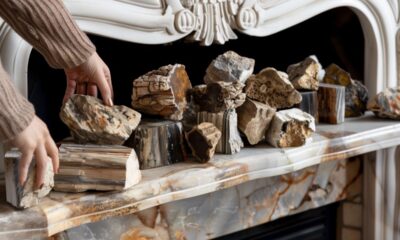
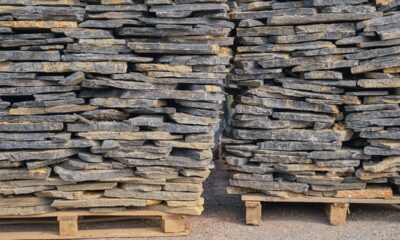
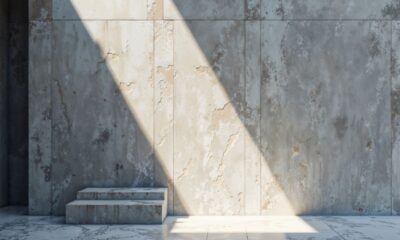
Natural stone applications are widely regarded as important components in residential projects focused on long-term quality and durability. The aesthetic consistency, strength, and timeless character offered by natural stone surfaces can support the perceived value of living environments. In projects that embrace this approach, natural stone solutions represent an important example of a long-lasting design philosophy, as demonstrated in applications developed by Cem Marble.
Common Characteristics of Residential Projects That Create Lasting Value
Creating long-term value in residential projects involves far more than designing visually impressive buildings. When high-quality materials, effective architectural planning, sustainability, user experience, and timeless design principles are considered together, projects can maintain their value for many years.
Residential developments that are designed with the future in mind, prioritize user needs, and incorporate long-lasting solutions have greater potential to create enduring value for both investors and residents.