Blog
Project-Based Use Logic of Natural Travertine Stone

A project-based approach to natural stone selection has become a necessity rather than a preference in today’s architectural and construction projects. Especially when dealing with a natural stone such as travertine, which stands out with both aesthetic and technical qualities, factors such as intended use, project scale, application area, and long-term performance expectations must be evaluated together. In this context, solutions with a strong global supply infrastructure such as turkish travertine tiles provide a framework that supports not only the visual aspects of projects but also their structural and operational goals.
By nature, travertine cannot be treated as a single, uniform product. The same type of stone can assume entirely different roles in different projects. For this reason, the question “which travertine?” should come after the more critical question: “travertine for which project?” A project-based usage approach clarifies this distinction and directly influences both architectural coherence and application success.
Why Is a Project-Based Approach Important?
A project-based approach allows natural stone to be considered not merely as a cladding or surface material, but as an active component of design. While standard product selection often delivers short-term solutions, project-oriented choices ensure long-term performance, sustainability, and aesthetic continuity.
This approach becomes even more critical when it comes to travertine. With its porous structure, vein direction, surface finishing options, and cutting methods, travertine is a material that gives direct character to a project. Without project-based planning, using the right stone in the wrong place can lead to both aesthetic losses and technical issues.
Moreover, in large-scale projects, elements such as material continuity, tone consistency, and logistics planning can only be managed effectively through a project-focused perspective.
Travertine Usage Scenarios by Project Type
Use of Travertine in Residential Projects
In residential projects, travertine is often preferred to create a sense of timeless aesthetics and a natural living environment. In villas, residential complexes, and high-quality housing developments, travertine creates a warm atmosphere across floors, walls, and shared spaces.
In such projects, user habits, ease of maintenance, and spatial scale come to the forefront when selecting travertine. More homogeneous surfaces and balanced vein structures help maintain visual integrity in residential settings.
Commercial and Public Space Projects
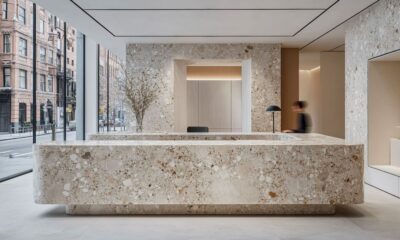
In high-traffic areas such as office buildings, shopping centers, and public facilities, travertine must be evaluated not only for its aesthetics but also for durability and longevity. Surface resistance, slip resistance, and maintenance requirements play a critical role in these projects.
The natural texture of travertine prevents large-volume spaces from feeling cold or artificial, creating a more welcoming atmosphere.
Travertine Preferences in Hotels, Spas, and Tourism Facilities
Tourism-related structures are among the project types where travertine is used most effectively. Hotels, spa areas, and resort projects place the luxurious perception and calming effect of natural stone at the center of their designs.
In these projects, the surface texture, color transitions, and natural character of travertine directly influence the user experience. Additionally, selecting travertine types suitable for humidity and temperature variations is essential for long-term performance.
Selecting Travertine Based on Spatial Use
Floor Applications
In floor applications, travertine is a natural stone capable of meeting both aesthetic and functional expectations. However, the thickness, surface treatment, and strength of the travertine chosen for flooring must be carefully determined.
While more robust and balanced travertine structures are preferred in areas with heavy foot traffic, aesthetic considerations may take precedence in residential interior floors.
Wall and Vertical Surfaces
In wall applications, travertine adds depth and a natural rhythm to spaces. On vertical surfaces, vein direction and surface texture directly influence visual perception.
Here, thinner cuts and decorative surface finishes become more prominent. Travertine transforms from a simple cladding material into an architectural expression tool.
Differences Between Interior and Exterior Spaces
Interior and exterior spaces have different technical requirements when it comes to travertine selection. While climate conditions, temperature fluctuations, and humidity levels are decisive for exterior applications, aesthetics and user comfort take priority indoors.
Making this distinction correctly has a direct impact on the long-term performance of travertine.
Impact of Travertine’s Physical and Structural Properties on Projects
The porous structure of travertine is one of the key characteristics that distinguishes it from other natural stone types. This structure allows the stone to breathe while also giving its surface a distinctive character.
Depending on the project, whether the pores are left open or filled should be evaluated according to the intended use. Structural strength, density, and overall stone performance play a critical role in project success.
Effect of Cutting Direction and Surface Finishes on Design
Differences Between Vein-Cut and Cross-Cut Travertine
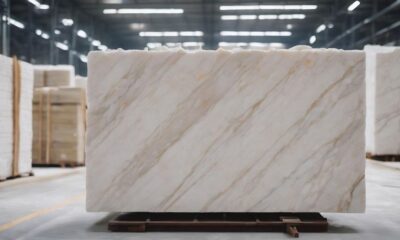
The cutting direction of travertine completely changes the perception of patterns on the surface. Vein-cut travertine offers a more dynamic and linear appearance, while cross-cut travertine creates a calmer and more homogeneous effect.
The architectural language of the project determines the choice between these two approaches.
Impact of Surface Finishes on Spatial Perception
Surface finishes directly affect the tactile and visual character of travertine. Rougher surfaces create a natural and rustic impression, while more balanced finishes are often preferred in modern projects.
These choices shape the overall atmosphere of the space and the user experience.
Role of Size, Thickness, and Modulation in Project Planning
Travertine size and thickness options directly influence both the application process and the final outcome. Large-format applications create a more modern and seamless look, whereas modular sizes establish a more classical and rhythmic structure.
These decisions are important not only aesthetically, but also in terms of application efficiency and material optimization.
Choosing Travertine According to Climate, Geography, and Usage Intensity
Each project must be evaluated based on its geographic location and climate conditions. Temperature differences, frost risk, and humidity levels directly affect the performance of travertine.
In areas with heavy usage, selecting more durable and structurally balanced travertine ensures long-term satisfaction.
Travertine Supply and Logistics Planning in the Project Process
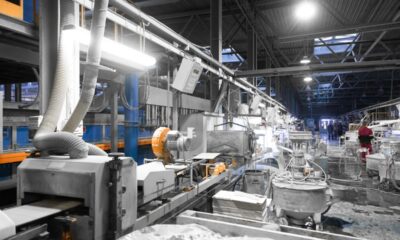
In project-based travertine use, not only the stone itself but also supply and logistics planning are of great importance. Especially in large-scale and international projects, continuity and quality standards become critical.
Production capacity, inventory management, and shipment planning ensure that projects progress on time and without complications.
Consistent and Timeless Project Design with Natural Travertine
When planned correctly, travertine adds timeless value to projects. The aesthetic continuity offered by natural stone allows structures to remain visually relevant even after many years, becoming an enduring part of architectural identity. In this sense, travertine presents a lasting and powerful material language that goes beyond short-term design trends.
A project-based approach enables travertine to meet not only today’s needs but also potential future usage scenarios. In well-planned projects, travertine matures together with the space over time rather than losing value, preserving project integrity in the long term.
Achieving the Right Outcome with Project-Oriented Travertine Solutions
Selecting the right travertine is only possible when all project dynamics are evaluated together. When architectural vision, technical requirements, and long-term usage expectations align, travertine truly adds value to a project. At this point, Cem Marble offers consistent and reliable solutions for projects of different scales and needs by integrating project-based thinking into every stage from production to delivery.
Travertine applications approached with a project-oriented mindset deliver strong and sustainable results, both aesthetically and structurally. Cem Marble’s quality standardization, expertise in natural stone selection, and supply structure compatible with international projects support the positioning of travertine as a value-adding building material within architectural projects.