Blog
What is Limestone? A Complete Guide to Turkish Limestone

Definition of Limestone
Limestone stone is a naturally occurring carbonate sedimentary rock, with 90% of its chemical structure consisting of calcium carbonate with the formula of CaCO₃. Limestone definition makes it clear to understand that it is usually formed from the remains of coral and other marine organisms. Limestone tiles is used in the construction industry to produce mortar and cement, in agriculture as a soil conditioner, and in various industrial applications. It is also widely available in varieties containing dolomite and magnesium carbonate.
Natural limestone is primarily formed in marine environments through bioaccumulation and chemical precipitation. As marine organisms such as corals and mollusks die, their calcium-rich shells accumulate on the ocean floor and eventually turn into limestone over millions of years. In addition, limestone can also form through evaporation processes in freshwater environments, such as caves, where calcium carbonate precipitates from evaporating water. This versatile sedimentary rock plays an important role in Earth’s carbon cycle and is widely used in construction and agriculture.
Turkish Limestone
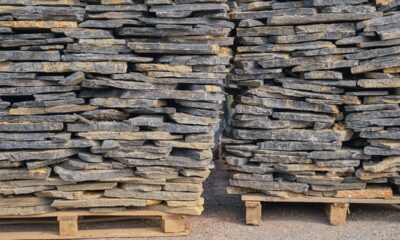
Turkish limestone is quite famous worldwide for its distinctive white color and soft, easy-to-work structure, which makes it a frequently preferred choice in architecture. There are many different factors in terms of its main features. These materials are mainly chosen for their high durability. With their strength and flexibility, they can be safely applied to areas with heavy human traffic.
On the other hand, these stones add depth to areas by increasing visual elegance with their warm tones and unique veins. With their superior structures, they become an ideal choice for various applications including flooring, wall cladding and outdoor flooring.
On the other hand, these stones, which are easier to use compared to other natural stones, are also very easy to install. With their high non-slip properties, they offer an advantageous use especially for pool decks and wet areas.
Since Turkey is a country with rich natural resources, limestone production is also carried out in various regions. For example, there are high-quality limestone quarries in Bursa province, especially around Gemlik and İnegöl. The limestones found around Pamukkale are used both as building materials and in thermal tourism. On the other hand, it is known that there are limestone reserves in the Aydin region, especially around Didim and Kusadasi.

Limestone
Uses of Limestone
Uses of limestone vary in different ways, especially in interior design, thanks to its aesthetic and functional properties. Limestone flooring is one of the stone types frequently preferred in floor coverings due to its durability and natural beauty. Thanks to its different colors and textures, it allows it to adapt to various interior styles. In addition, it is possible to achieve a natural look by using this stone in the coating of interior walls. Especially in areas where there is a rustic and natural design approach, limestone provides a perfect harmony.
The use of limestone as a kitchen countertop has also been widely seen in recent years. These stones offer an aesthetic appearance and are also effective in providing a good balance regarding temperature. However, it is recommended to use it carefully as it can be sensitive to acidic substances. In modern designs, limestone is also becoming a stylish option for bathroom floors, walls and countertops. Using it with suitable protective coatings to increase water resistance allows for better results. Decorative accessories, tables or chairs made of limestone also add a natural touch to interior design.
Limestone is preferred because it offers many aesthetic and functional advantages in outdoor design of limestone properties. For example, these stones are used as a durable and attractive covering material in garden paths, terraces and patio floors, and also provide non-slip properties with smooth or rough surface options. In outdoor spaces, limestone is also chosen as a natural stone wall covering. It is possible to add a rustic atmosphere to the structure by using it especially on garden walls or exterior facades.
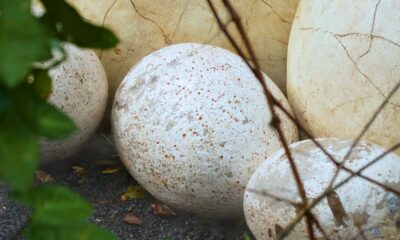
Limestones can also be used for decorative stones, ornamental pools or flower beds in gardens. It is seen that these stones are frequently used to achieve a natural look in landscape design. Limestone tiles are also commonly used on the ground or structure of kitchen and fountain areas in gardens. In addition, limestone is a natural stone material that has been used in architecture as well as decoration for many years. It is seen that it is preferred in various structural and decorative applications thanks to its durability, aesthetic appearance and workability. Limestone is widely used by architects on the exteriors of buildings, allowing a natural look to be achieved. It offers an aesthetic richness with its different color and texture options.
Columns and arches are the areas that limestone in architecture can be commonly used. This use increases the aesthetics of the structures and adds a historical atmosphere. Finally, limestone has also been used in many historical structures. For example, ancient temples and castles are seen to be built from limestone. These structures are the greatest evidence of how durable limestone is over time.
For more detailed information about the quality and prices of Limestone official site of Cem Marble can be visited.
Frequently Asked Questions
What are the advantages of using limestone?
The most advantageous feature of limestone is its durability. It is highly resilient to weathering and erosion and this feature makes it suitable for various applications. It is also available in diverse colors and textures and enhances architectural designs in a good way.
How does Turkish limestone differ from other limestone?
Limestones in Turkey are known for their high quality and durability. They provide long-lasting use, especially in the construction sector. On the other hand, Turkey also has rich limestone reserves offering different color and texture options.