Blog
The Process of Crafting Handmade Turkish Mosaic Tiles

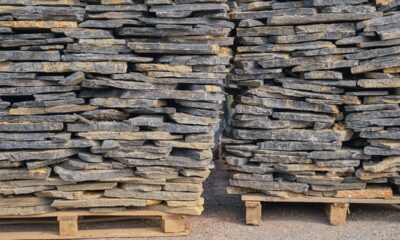
Handmade Turkish mosaic tiles are far more than decorative surfaces; they are the result of centuries-old craftsmanship shaped by culture, geometry, patience, and human touch. Each mosaic tells a layered story through color, texture, and form, reflecting a tradition that has been carefully passed down through generations of skilled artisans. Unlike industrially produced tiles, handmade Turkish mosaics carry the marks of individual craftsmanship, making every piece unique. In particular, travertine marble mosaic surfaces stand out for their natural texture, warm tones, and timeless character rooted in Anatolia’s geological heritage.
From the careful selection of raw materials to the final quality checks, every stage of production plays a critical role in creating authentic, durable, and visually striking mosaic tiles. These processes ensure that the mosaics are not only aesthetically pleasing but also structurally sound and suitable for long-term use.
This guide explores the complete process behind crafting handmade Turkish mosaic tiles, including the use of travertine marble mosaic applications, highlighting why they continue to be valued in traditional architecture, contemporary interiors, and artistic installations around the world.
The History and Cultural Roots of Turkish Mosaic Art
Turkish mosaic art has its roots in Anatolia’s rich and diverse cultural history, shaped by Seljuk, Byzantine, and Ottoman influences. Throughout history, mosaics were widely used in palaces, mosques, baths, caravanserais, and public buildings. They served not only as decorative elements but also as symbols of harmony, balance, and spiritual order.
Geometric precision, repeating patterns, and carefully balanced color palettes became defining characteristics of Turkish mosaic art. These designs were often based on mathematical principles, reflecting the belief that geometry represented the order of the universe.
Artisans meticulously calculated proportions to create visual rhythm and depth, ensuring that each surface conveyed both beauty and meaning. Today, handmade Turkish mosaic tiles continue to preserve this cultural heritage while seamlessly adapting to modern architectural and interior design needs.
Raw Materials Used in Handmade Turkish Mosaic Tiles
The quality of handmade Turkish mosaic tiles begins with the thoughtful selection of raw materials. Traditional mosaics rely on natural stones, glass, ceramics, and occasionally marble, each chosen for its durability, texture, and natural color variation. These materials provide the foundation for mosaics that are both visually rich and structurally resilient.
Glass pieces are often recycled and re-melted to achieve vibrant, luminous tones, while natural stones contribute earthy hues and organic patterns. Ceramic elements offer consistency and strength, making them ideal for both decorative and functional applications.
The use of mineral-based pigments ensures long-lasting color that resists fading, even when exposed to light and moisture. Careful material selection directly influences not only the appearance of the mosaic but also its resistance to temperature changes, humidity, and daily wear.
Design and Pattern Creation in Turkish Mosaic Tiles
Design is the foundation of every handmade Turkish mosaic tile and one of the most intellectually demanding stages of the process. Patterns are typically inspired by classical geometric forms, floral motifs, and symmetrical layouts that emphasize balance, repetition, and continuity. These designs often carry symbolic meanings rooted in tradition and cultural expression.
Before production begins, artisans plan the design in detail, determining scale, color distribution, and pattern repetition. This stage requires both artistic sensitivity and mathematical precision, as even minor deviations can disrupt the harmony of the entire mosaic. While contemporary interpretations may introduce modern patterns or color palettes, they still adhere to traditional design principles that define the timeless aesthetic of Turkish mosaic art.
Hand-Cutting Techniques: Shaping Each Mosaic Piece
One of the most distinctive and labor-intensive aspects of handmade Turkish mosaic tiles is the hand-cutting process. Each piece is individually shaped using specialized cutting tools, allowing artisans to achieve precise angles, consistent thickness, and smooth edges. This manual technique demands years of experience and a deep understanding of material behavior.
Unlike machine-cut tiles, hand-cut mosaic pieces display subtle variations that enhance authenticity and visual depth. These small differences create a natural, organic feel that cannot be replicated through automated production. The accuracy of hand-cutting directly impacts the final appearance of the mosaic, as clean cuts ensure seamless connections between pieces and crisp pattern definition.

Assembling the Mosaic: From Individual Pieces to Final Form
Once the mosaic pieces are cut, they are carefully assembled according to the predefined design. Artisans place each fragment by hand, paying close attention to spacing, alignment, and overall visual flow. This stage transforms hundreds or even thousands of individual elements into a unified composition.
The assembly process requires patience, focus, and experience, as maintaining balance between colors and shapes is essential for achieving a harmonious result.
Proper bonding methods are used to secure each piece, ensuring long-term stability. When assembled correctly, handmade Turkish mosaic tiles can be applied to walls, floors, ceilings, and decorative surfaces without compromising structural integrity.
Finishing, Quality Control, and Durability of Mosaic Tiles
After assembly, handmade Turkish mosaic tiles undergo a detailed finishing process designed to enhance both appearance and durability. Surfaces are thoroughly cleaned, edges refined, and protective treatments applied when necessary. These steps help improve resistance to moisture, stains, and environmental factors.
Quality control is a crucial final stage, focusing on alignment accuracy, adhesion strength, surface consistency, and overall craftsmanship. Because these tiles are designed for long-term use, durability is a primary consideration. Properly finished mosaic tiles withstand heat, humidity, and daily use, making them suitable for both interior and exterior applications in residential and commercial environments.
Discover Authentic Handmade Turkish Mosaic Tiles for Your Space
Choosing handmade Turkish mosaic tiles means investing in craftsmanship, cultural heritage, and timeless design. At this point, Cem Marble stands out as a brand that successfully combines traditional Turkish mosaic artistry with modern production standards.
With a strong focus on handcrafted quality, material selection, and design integrity, Cem Marble transforms centuries-old mosaic techniques into refined surfaces suitable for contemporary architectural and interior projects.
Whether used in residential interiors, hospitality projects, commercial spaces, or artistic installations, Cem Marble mosaic tiles add depth, character, and authenticity that mass-produced alternatives cannot replicate.
By understanding the detailed process behind their creation, you can better appreciate the value Cem Marble places on craftsmanship at every stage, from raw material sourcing to final quality control.
Cem Marble’s collections reflect a deep respect for Turkish mosaic heritage while offering designers and architects reliable, long-lasting solutions. Explore authentic handmade Turkish mosaic tile collections by Cem Marble to bring tradition, artistry, and enduring quality into your space, creating environments that are both visually striking and deeply meaningful.